
Send Email info@xinhuatextile.com
Need Any Help?+86 -13805995216
Send Email info@xinhuatextile.com
Need Any Help?+86 -13805995216
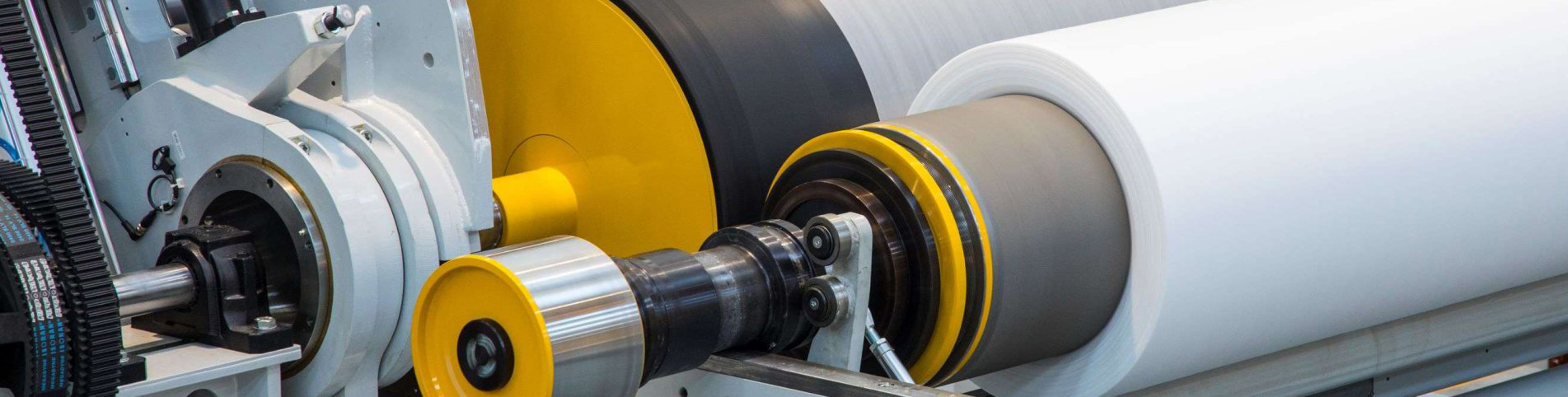
What is Agricultural Nonwoven Fabric?
Agricultural nonwoven fabric is an engineered material primarily composed of raw materials such as polypropylene, polyester, or natural fibers, processed through techniques such as spunbonding, needle punching, or thermal bonding. It is specifically designed for use within agricultural production environments. Its basis weight (weight per unit area) typically ranges from 10 g/m² to 200 g/m², with specific specifications selected based on particular agronomic requirements.
Compared to standard covering materials, agricultural-grade nonwoven fabrics must incorporate UV stabilizers during the manufacturing process to ensure long-term durability and stability when exposed to open-air environments. Furthermore, their porous structure endows them with excellent air and water permeability, allowing them to protect crops while simultaneously maintaining the ecological balance of the soil environment.
Applications of Agricultural Nonwoven Fabric
Ground Cover and Weed Suppression
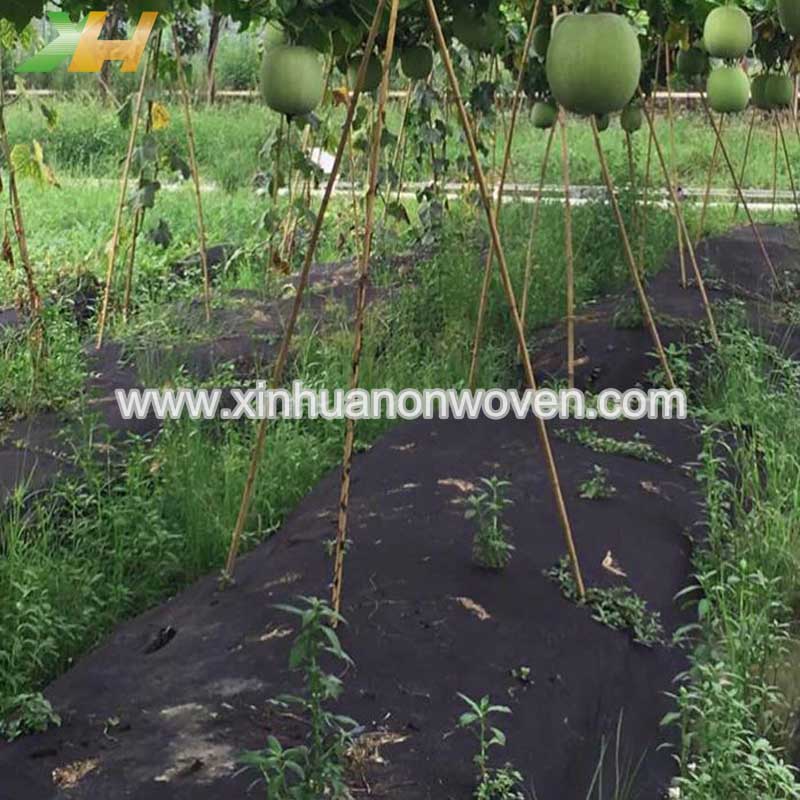
Weed control is a critical component of agricultural production. Although traditional plastic mulches are highly effective at suppressing weeds, the subsequent disposal and recycling of plastic waste remain challenging issues, leading to the increasingly prominent environmental problem of "plastic mulch residue pollution." As a viable alternative, nonwoven ground cover materials have emerged and are gaining increasingly widespread adoption.
Nonwoven crop cover a buffering barrier between the soil surface and the atmosphere, thereby effectively regulating soil temperature. Compared to polyethylene mulches, nonwoven covers demonstrate superior water utilization efficiency under conditions of rainfall or sprinkler irrigation, while also exhibiting exceptional performance in terms of thermal insulation and weed suppression.
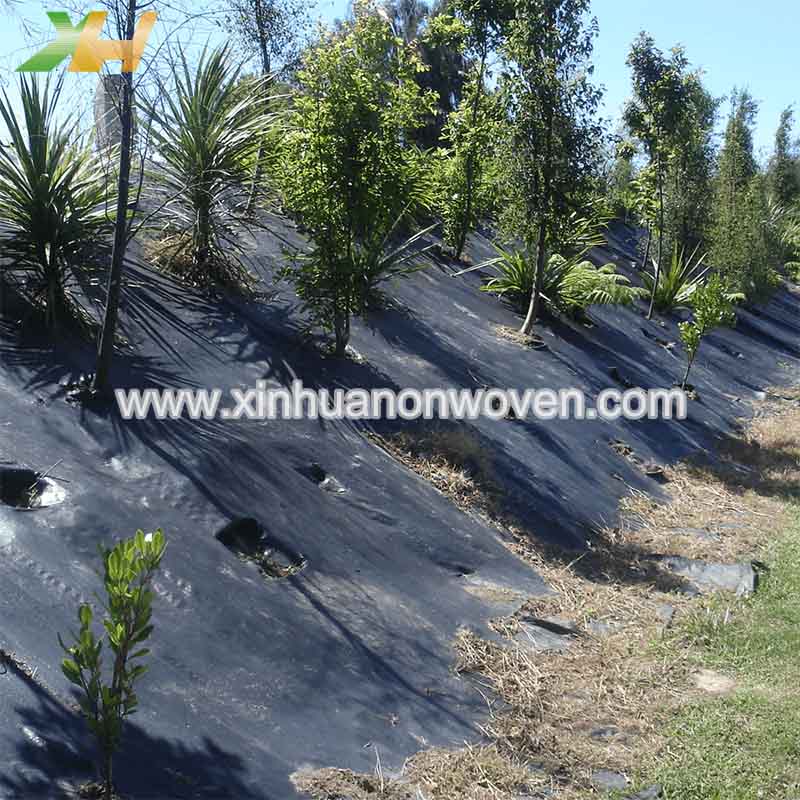
Slope Protection and Soil Stabilization
In areas where establishing vegetation is particularly challenging—such as riverbanks and steep slopes—nonwoven fabrics play a pivotal role. Laying a nonwoven cover over the soil surface after sowing has a positive effect on the initial growth of plants; it not only accelerates seedling emergence but also increases the density of ground-level vegetation cover. Two months after sowing, the vegetation coverage rate on soil surfaces covered with nonwoven fabric is found to be 50% higher than that in uncovered areas.
This application clearly demonstrates the significant value of nonwoven fabrics in the fields of soil and water conservation, as well as ecological restoration. By minimizing moisture evaporation and effectively preventing soil erosion, non-woven fabrics create favorable preconditions for the successful restoration of vegetation.
Internal Greenhouse Thermal Screens
Due to their excellent moisture-absorbing and weather-resistant properties, polypropylene spunbond non-woven fabrics have gained widespread recognition and are extensively utilized in internal thermal screen systems within greenhouses. They demonstrate exceptional performance enhancements in terms of both UV resistance and thermal insulation efficiency.
They serve a dual function: providing shade and thermal insulation during the summer months, while offering heat retention and insulation during the winter. Their porous structure ensures moderate moisture absorption and superior dimensional stability—resisting both expansion and shrinkage—while maintaining sufficient water permeability to prevent condensation droplets from dripping onto the crops below. Such thermal screens contribute to energy conservation, reduce fuel consumption, and yield significant environmental benefits.
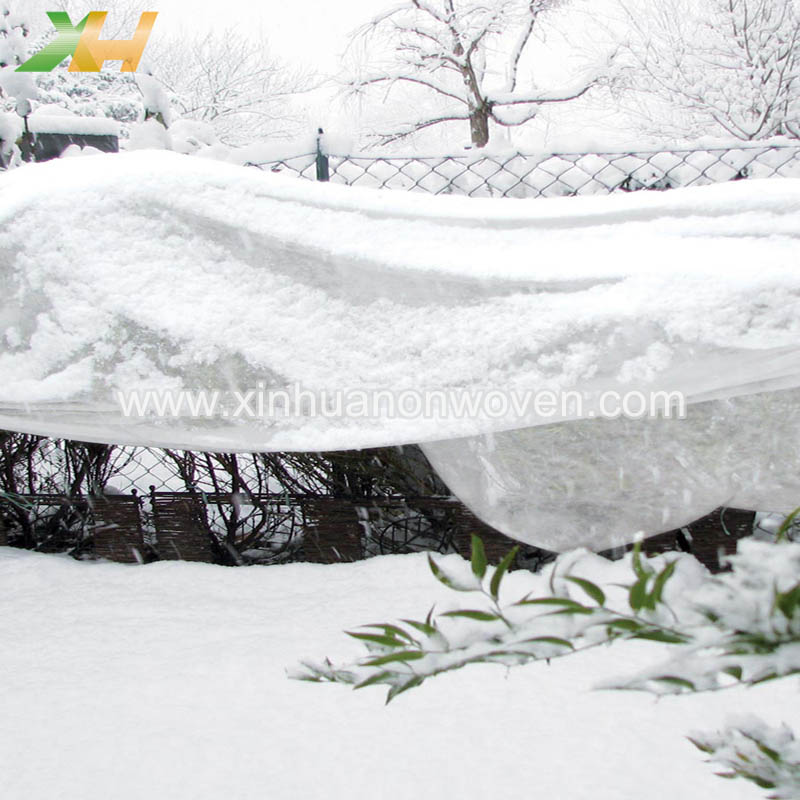
Direct Crop Covers
Spunbond polypropylene non-woven fabrics can be applied directly over crops to provide comprehensive, all-around protection: they block harmful solar radiation, accelerate plant maturation, and offer defense against pests, diseases, and adverse weather conditions. In sunny weather, they prevent crops from overheating; conversely, when temperatures drop, they trap heat and guard against frost damage. Furthermore, they prevent moisture accumulation, thereby reducing the risk of disease outbreaks. This method of covering creates a favorable microclimate surrounding the crops, thereby fostering their healthy growth.
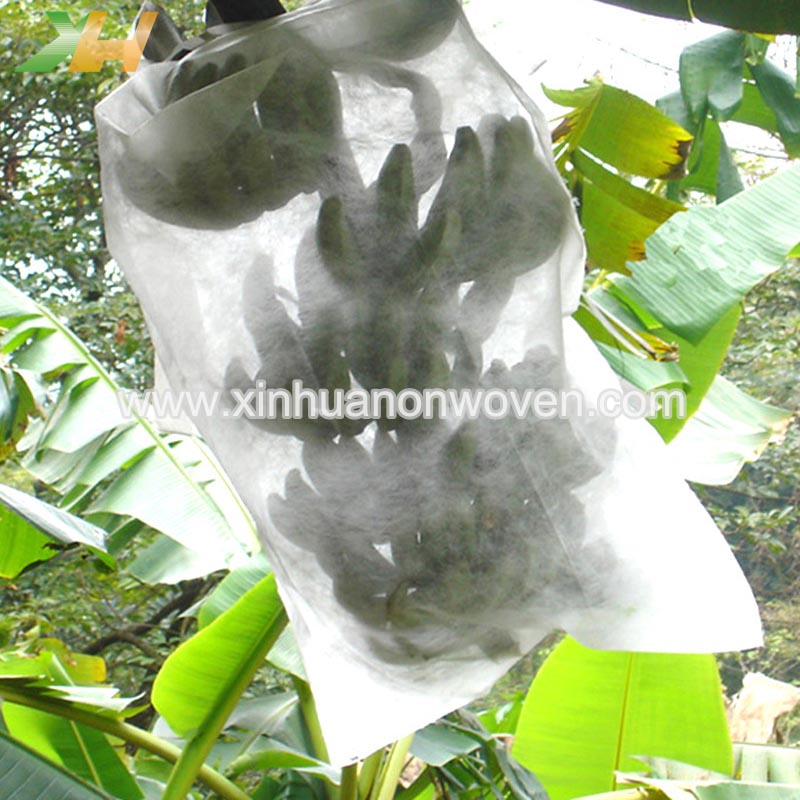
Characteristics of Agricultural Non-woven Fabrics
1. Performance indicators such as tensile strength and elongation at break reflect the material's durability during the processes of field laying and actual use. For covering materials intended for multi-season reuse, these strength metrics are particularly critical.
2. The porous structure of non-woven fabrics allows for the free passage of air and moisture, which is essential for maintaining soil aeration and facilitating the infiltration and absorption of rainwater. Tests for air permeability and water permeability are the standard methods employed to evaluate these specific functions.
3. Given that agricultural applications typically take place in open-air environments, the material must possess resistance to UV-induced aging. High-quality agricultural non-woven fabrics incorporate UV stabilizers during the manufacturing process to ensure that their performance remains stable throughout the entire crop growth cycle.
4. When utilized as thermal screens or covering materials, the thermal conductivity of the non-woven fabric directly influences its practical effectiveness in regulating soil temperature or the temperature of the air layer near the ground surface.
5. In applications involving weed suppression or shading protection, the material's shading rate directly determines its efficacy. Different application scenarios impose varying requirements regarding the optimal shading rate.
Please Read On, Stay Posted, Subscribe, And We Welcome You To Tell Us What You Think.
Copyright @ 2026 Xinhua Textile Co., Limited All Rights Reserved. Network Supported
Hi! Click one of our members below to chat on
 English
  Français
 Deutsch
 Русский
 Italiano
 Español
 Português
 عربي
عربي Indonesia
 עִברִית