
Send Email info@xinhuatextile.com
Need Any Help?+86 -13805995216
Send Email info@xinhuatextile.com
Need Any Help?+86 -13805995216
Non-woven Fabric Masks: Technical Analysis and Application Guide
Thanks to their exceptional filtration efficiency, breathability, and cost-effectiveness, non-woven fabrics have become a core material in the field of mask manufacturing. This article provides a systematic analysis of the protective principles, comparative performance, limitations, and purchasing recommendations regarding non-woven fabric masks.
I. Protective Principles and Core Structure
The protective capability of non-woven fabric masks stems primarily from their unique fibrous structure and multi-layer design.
Fibrous Filtration Mechanism: Randomly distributed fibers interweave to form a dense mesh-like structure capable of physically trapping particulate matter—such as droplets and dust—through mechanical interception. The commonly used polypropylene (PP) material possesses hydrophobic properties, thereby effectively blocking liquid splashes.
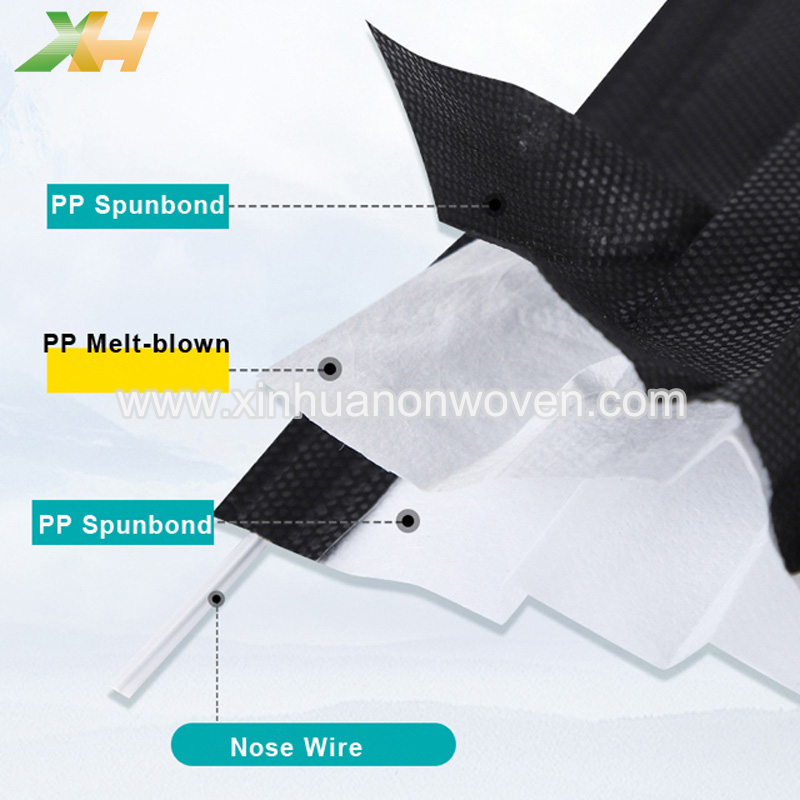
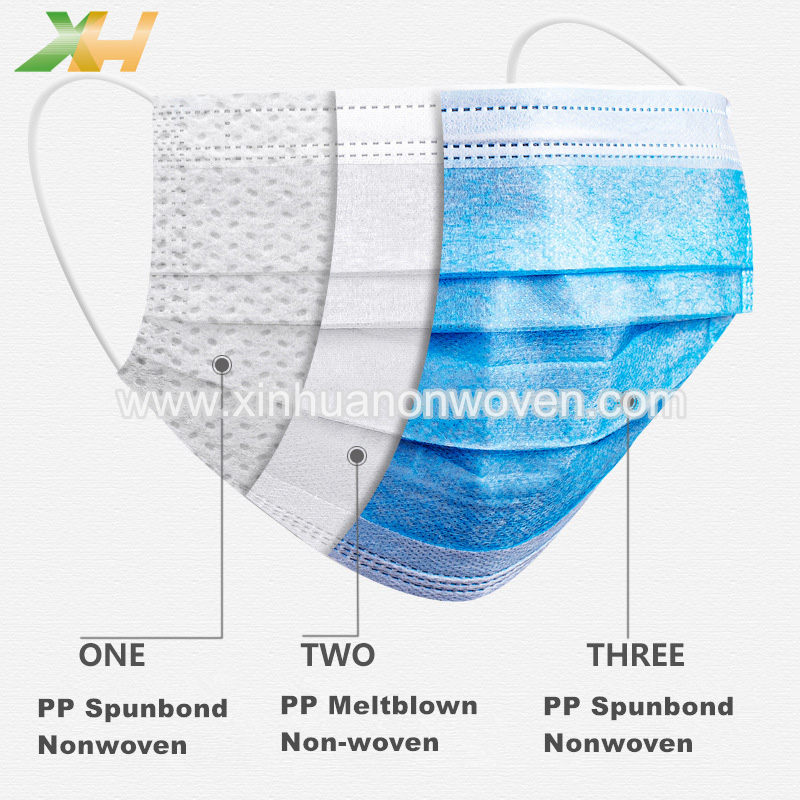
"Sandwich-style" Three-Layer Structure: This constitutes the standard design model for medical surgical masks, engineered to balance protective performance with wearer comfort.
Outer Layer (Spunbond Non-woven Fabric): Features water-repellent and dust-blocking functions; serves to block larger particles and liquids.
Middle Layer (Meltblown Non-woven Fabric): The core filtration layer; utilizes electrostatic adsorption technology to efficiently capture micron-sized particles (such as bacteria and viruses).
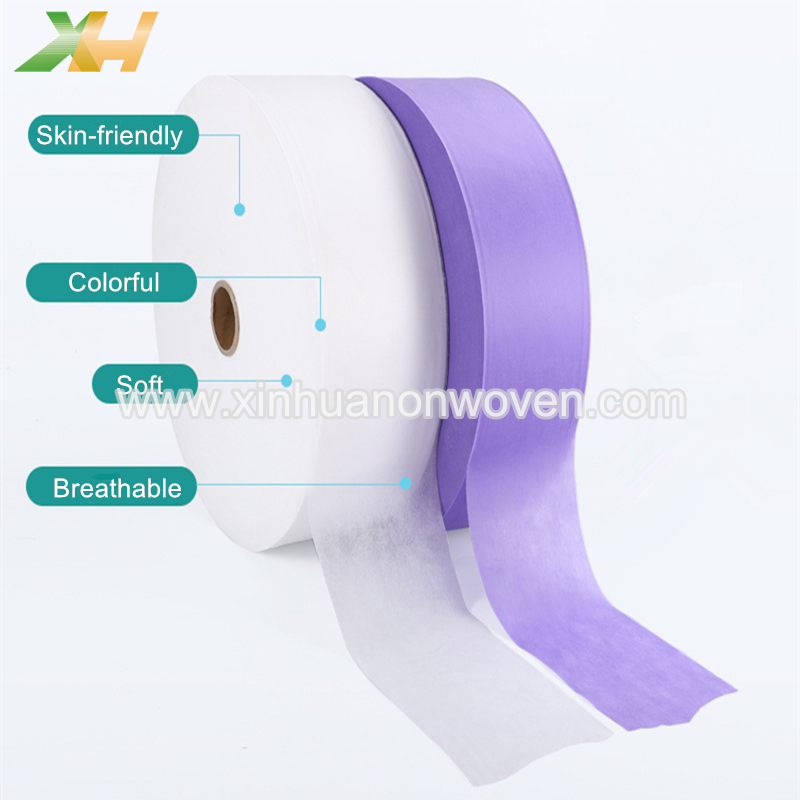
Inner Layer (Spunbond Non-woven Fabric): Soft in texture and skin-friendly; designed to minimize discomfort for the wearer.
By virtue of this structural configuration, high-quality medical surgical masks are typically able to achieve a Bacterial Filtration Efficiency (BFE) exceeding 95%.
| Feature Comparison | Non-woven Masks (Disposable Medical / KN95) | Cotton/Knitted Fabric Mask |
| Core Strengths | High filtration efficiency—particularly for models featuring an electrostatic melt-blown layer; lightweight and produced via standardized processes. | Reusable and washable; breathability is average. |
| Filtration Principle | Physical Fiber Barrier + Electrostatic Adsorption (Key) | It relies primarily on fabric density to provide a physical barrier. |
| Protection Level | High. The filtration efficiency of KN95/N95 respirators for non-oily particulate matter is ≥95%. | Low. Provides limited protection against fine particles such as PM2.5 and viruses. |
| Usage Instructions | These are primarily intended for single use; it is recommended to replace them after 4–6 hours of continuous use or if they become damp. | It is washable and reusable; however, its protective performance may diminish with washing. |
III. Limitations and Important Considerations
Although non-woven fabric masks offer excellent performance, they are subject to the following limitations:
Environmental Tolerance: Their primary material is polypropylene (PP), which has a heat resistance limit of approximately 80°C. Exposure to high-temperature environments may cause the mask to shrink or deform; therefore, disinfection via boiling water or steam is strictly prohibited.
Shelf-Life Limitations: The electrostatic charge within the melt-blown layer gradually dissipates over time and as environmental humidity increases, thereby reducing filtration efficiency. It is strongly recommended to strictly adhere to the expiration date indicated on the packaging (typically no more than two years) and to store the masks properly in a dry environment.
Environmental Challenges: As polypropylene is a plastic material, it does not readily biodegrade in the natural environment. Discarded masks must be disposed of properly in accordance with relevant regulations to prevent environmental pollution.
IV. Recommendations for Selection and Usage
Key Selection Points:
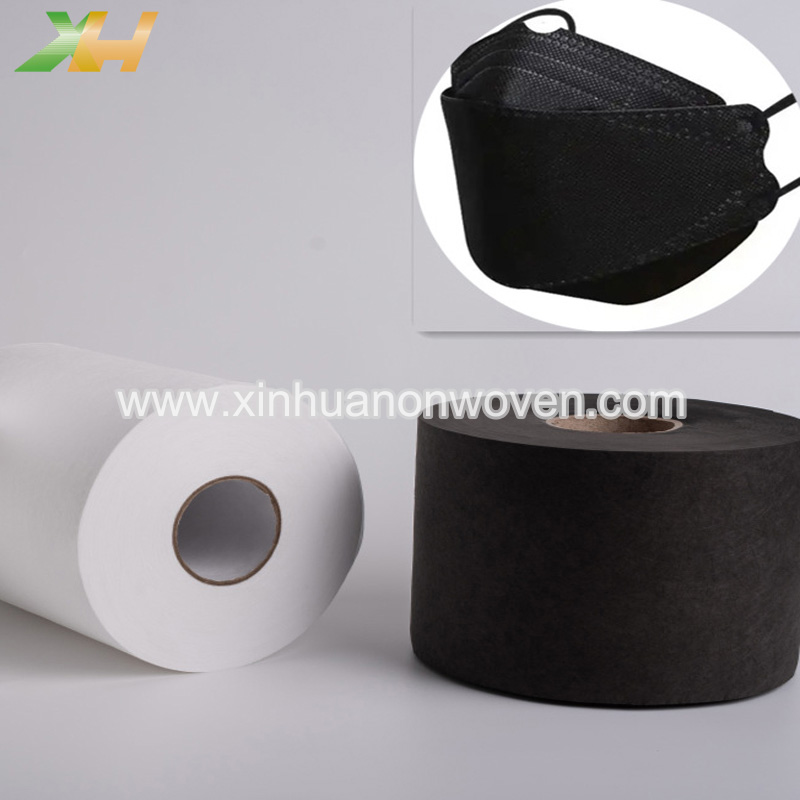
Opt for masks with a three-layer structure. You can verify this through a simple test: cut open the mask and attempt to tear the middle melt-blown layer; this layer should exhibit electrostatic adsorption properties (for instance, it should be able to pick up small scraps of paper).
For daily protection, standard medical surgical masks are sufficient to meet most needs. However, if you need to enter high-risk zones or are situated in crowded, enclosed spaces, it is advisable to select a mask with a higher level of protection, such as a KN95 or N95.
Proper Usage Guidelines:
Avoid Reuse: Disposable masks should be discarded immediately after use—particularly if the mask becomes damp or contaminated, or after visiting high-risk locations.
Avoid Improper Handling: Never wash the mask with water, nor attempt to disinfect it by spraying alcohol; such actions will compromise the mask's electrostatic adsorption function and its water-resistant layer, thereby causing the mask to lose its protective efficacy.
V. Summary and Outlook
By virtue of their efficient filtration capabilities and exceptional cost-effectiveness, non-woven masks have emerged as a core component of public health protection systems. Their primary advantage lies in the electrostatic adsorption technology employed in the melt-blown non-woven fabric; however, their "disposable" nature—along with the associated environmental impact—constitutes a factor that cannot be overlooked.
Looking ahead, through the integration of innovative technologies such as nanofibers, biodegradable materials, or PTFE (polytetrafluoroethylene) membranes, non-woven masks hold the promise of achieving significant breakthroughs in terms of elevating protection levels, extending service life, and enhancing environmental sustainability.
Please Read On, Stay Posted, Subscribe, And We Welcome You To Tell Us What You Think.
Copyright @ 2026 Xinhua Textile Co., Limited All Rights Reserved. Network Supported
Hi! Click one of our members below to chat on
 English
  Français
 Deutsch
 Русский
 Italiano
 Español
 Português
 عربي
عربي Indonesia
 עִברִית