
Send Email info@xinhuatextile.com
Need Any Help?+86 -13805995216
Send Email info@xinhuatextile.com
Need Any Help?+86 -13805995216
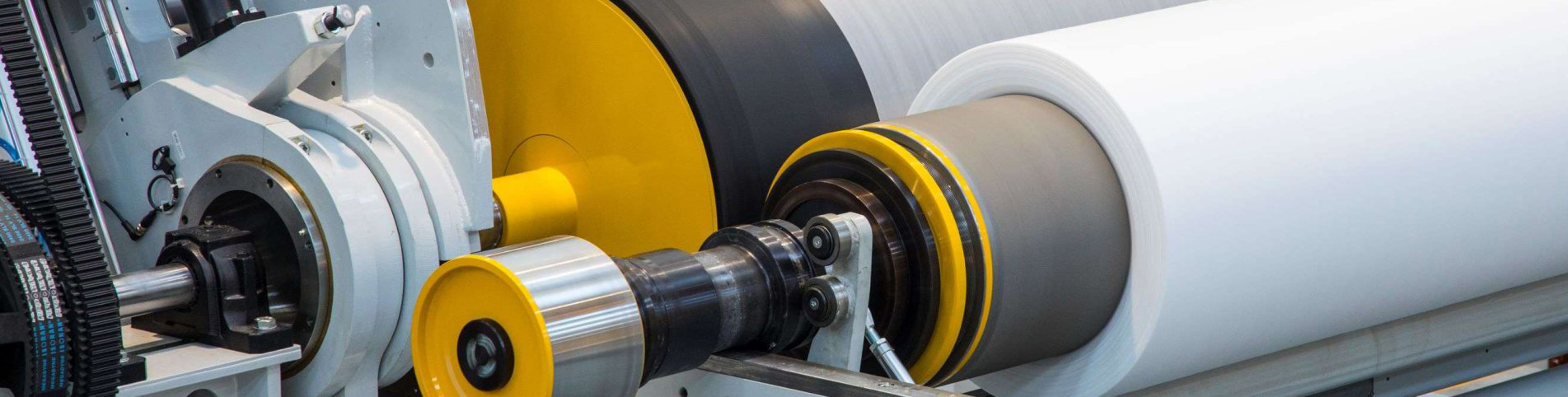
Why Polypropylene Has Become the Preferred Raw Material for Nonwovens
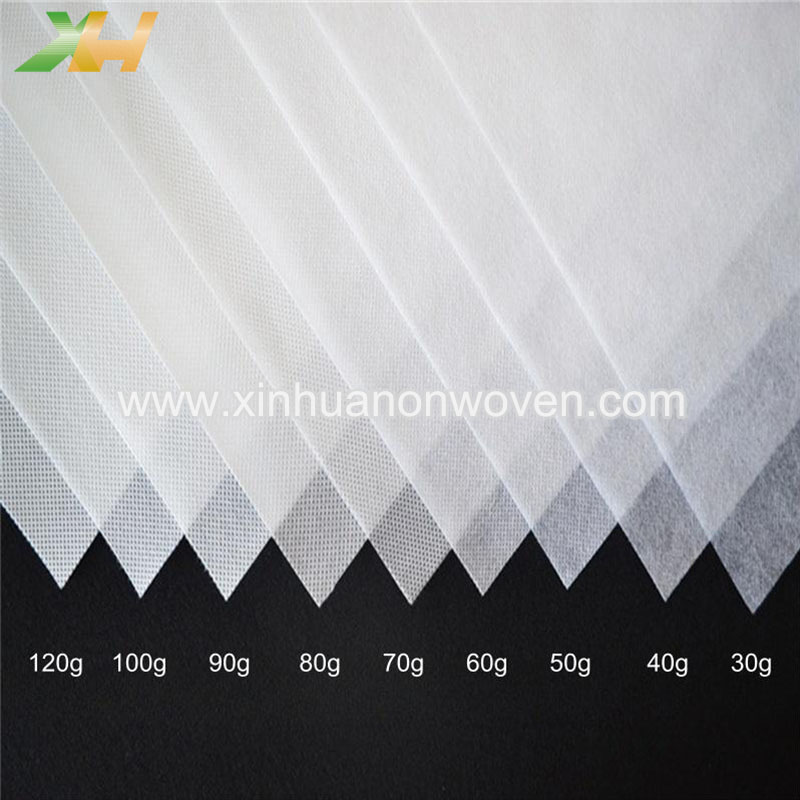
The widespread application of polypropylene in the field of nonwoven manufacturing is primarily attributed to its advantages in the following key areas:
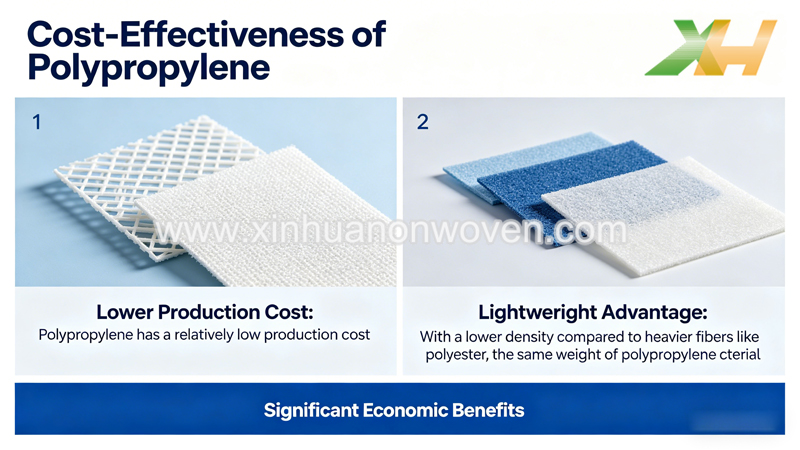
1.Exceptional Cost-Effectiveness
Polypropylene features low production costs and a low density. Compared to higher-density fibers such as polyester, an equal weight of polypropylene yields a larger volume of material, thereby delivering significant economic benefits.
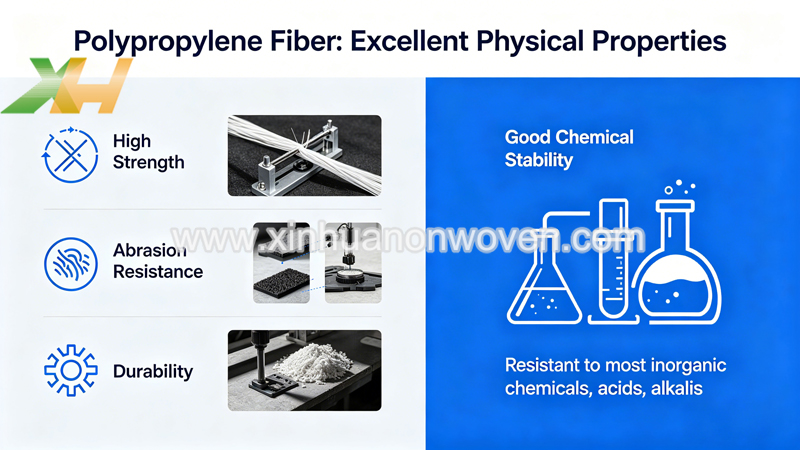
2.Superior Physical Properties
Polypropylene fibers possess high tensile strength, excellent abrasion resistance, and exceptional durability. Furthermore, the material demonstrates good chemical stability against most inorganic chemicals, acids, and bases.
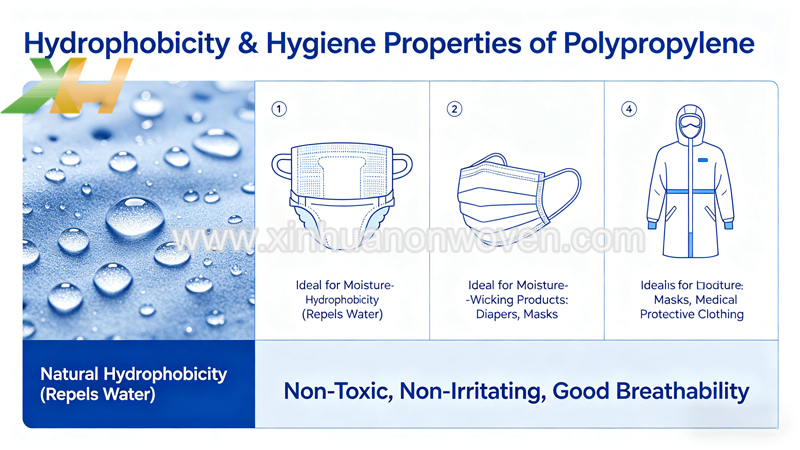
3.Hydrophobicity and Hygienic Characteristics
Polypropylene is inherently hydrophobic (water-repellent), making it ideally suited for manufacturing products that require rapid moisture transport—such as diapers, face masks, and medical protective clothing. Additionally, it is non-toxic, non-irritating, and offers excellent breathability.
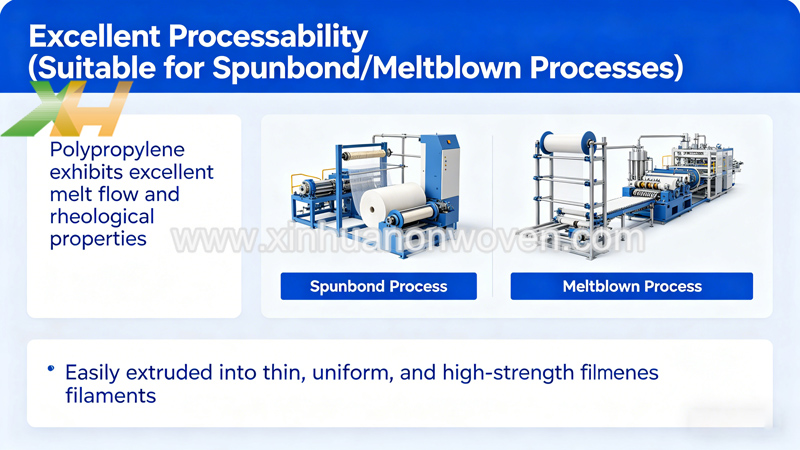
4.Excellent Processability (Suitable for Spunbond/Meltblown Processes)
Polypropylene exhibits excellent melt flow and rheological properties, allowing it to be easily extruded into fine, uniform, and high-strength fibers during spunbond and meltblown manufacturing processes.
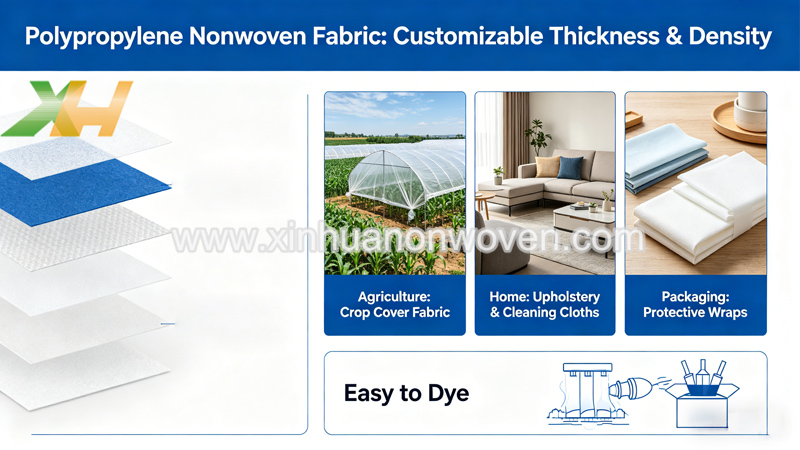
5.High Application Versatility
The thickness and density of polypropylene nonwovens can be customized to meet specific requirements. The material is easy to color and is widely utilized across various sectors, including agriculture (e.g., crop covers), home furnishings, and the packaging industry.
Regarding Dyeing and Functional Modification
Due to the non-ionic chemical nature of polypropylene fibers, traditional dyeing processes are often difficult to apply directly. Consequently, melt dyeing has become the standard method during production; this process involves blending color masterbatches with polypropylene chips at the raw material stage, achieving coloration through melt blending and spinning processes. Additionally, specific performance characteristics can be imparted to the final product by incorporating functional masterbatches.
Regarding Anti-Aging Treatment
When exposed to light (particularly ultraviolet radiation), polypropylene nonwovens are susceptible to degradation, manifesting as discoloration, embrittlement, and a decline in mechanical strength. To extend product service life, anti-aging agents are typically incorporated into the material to mitigate the adverse effects of ultraviolet radiation exposure.
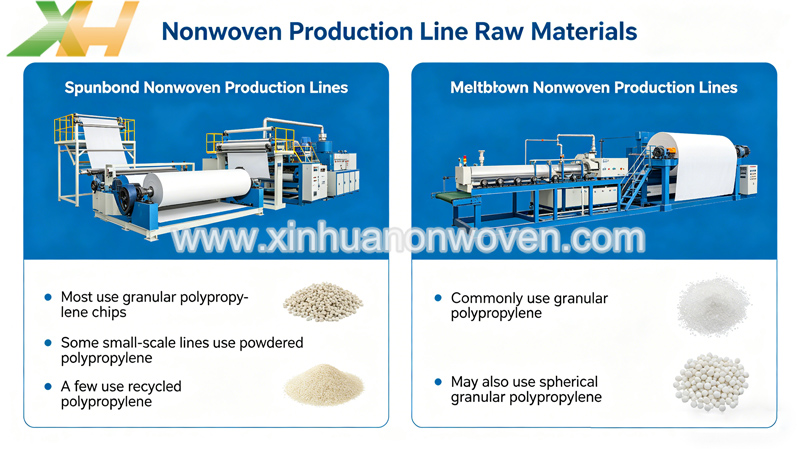
Description of Raw Material Forms
Most spunbond nonwoven production lines utilize granular polypropylene chips as their raw material. However, some smaller-scale production lines employ powdered polypropylene, while others utilize recycled polypropylene materials. For meltblown nonwoven production lines, in addition to granular raw materials, spherical pellets may also be used.
Please Read On, Stay Posted, Subscribe, And We Welcome You To Tell Us What You Think.
Copyright @ 2026 Xinhua Textile Co., Limited All Rights Reserved. Network Supported
Hi! Click one of our members below to chat on
 English
  Français
 Deutsch
 Русский
 Italiano
 Español
 Português
 عربي
عربي Indonesia
 עִברִית