
Send Email info@xinhuatextile.com
Need Any Help?+86 -13805995216
Send Email info@xinhuatextile.com
Need Any Help?+86 -13805995216
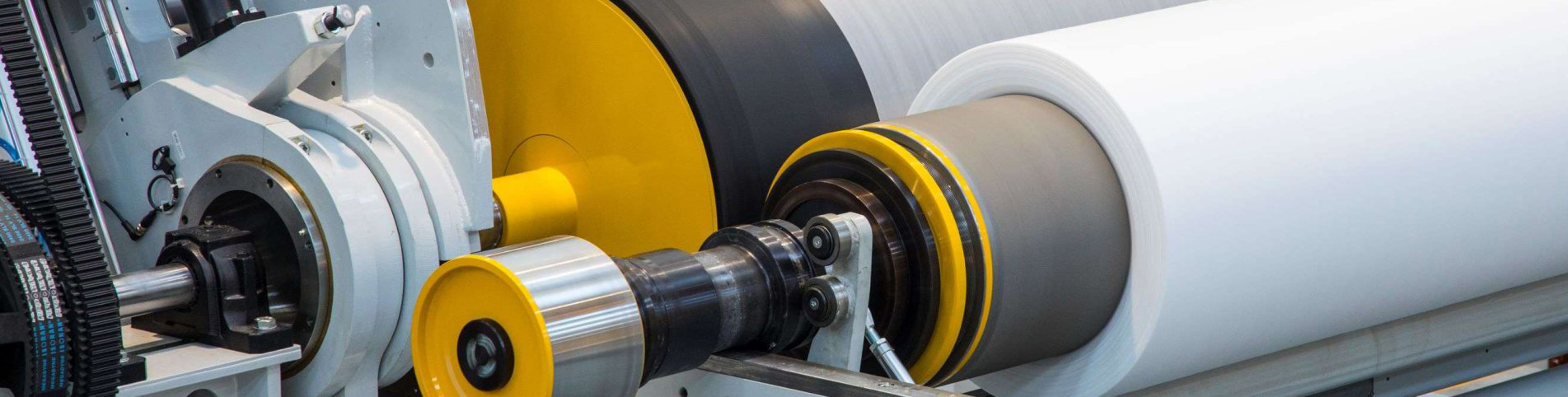
Introduction to Melt-blown Nonwovens
Melt-blown nonwoven fabric is a material commonly used in the manufacture of high-quality face masks. It is primarily produced using polypropylene as a raw material, featuring extremely fine fibers with diameters ranging from 1 to 5 microns. Due to its highly porous internal structure, this fabric possesses a fluffy texture and exhibits excellent wrinkle resistance. These ultrafine fibers feature a unique capillary structure, which significantly increases the fiber density and specific surface area per unit area; this endows the melt-blown fabric with exceptional filtration, shielding, thermal insulation, and oil-absorption capabilities.
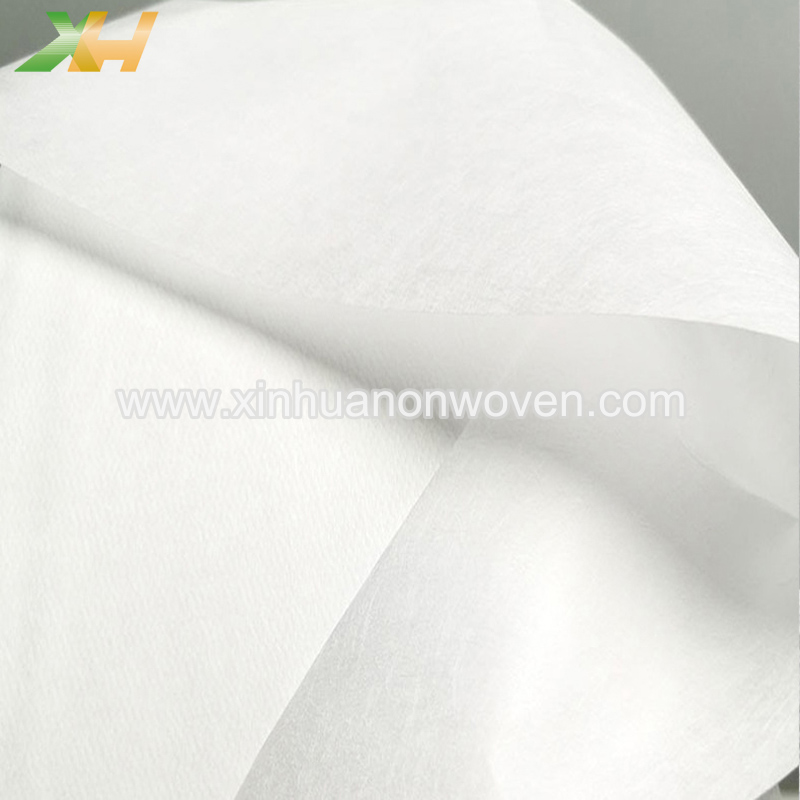
Definition of Nonwovens
Nonwoven fabric (also known as non-woven cloth) refers to textiles produced directly from the fiber stage (e.g., natural fibers) or the polymer stage (e.g., granular raw materials), without undergoing intermediate processes such as spinning or yarn formation.
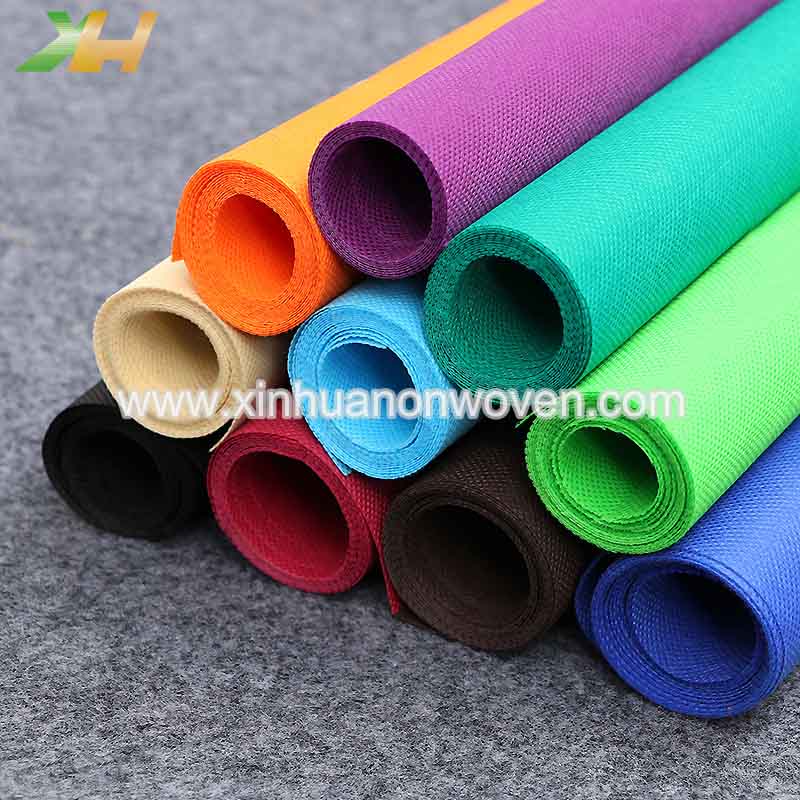
Formation and Process of Melt-blown Nonwovens
Melt-blown nonwoven fabric is a specific type of melt-blown nonwoven material. It is manufactured using the melt-blown spinning process, utilizing thermoplastic synthetic polymers as raw materials; this process enables the direct conversion of material from the polymer stage into a randomly laid web or fabric of nonwoven fibers.
The melt-blown process is a single-step operation: polymer chips or granules are heated and melted (via a series of heating elements) to form a molten polymer fluid. Subsequently, the molten material is blown by a high-velocity stream of hot air onto a rotating collection drum (which may be configured in either a horizontal or vertical layout), where it forms an intertwined fibrous web structure on the drum's surface.
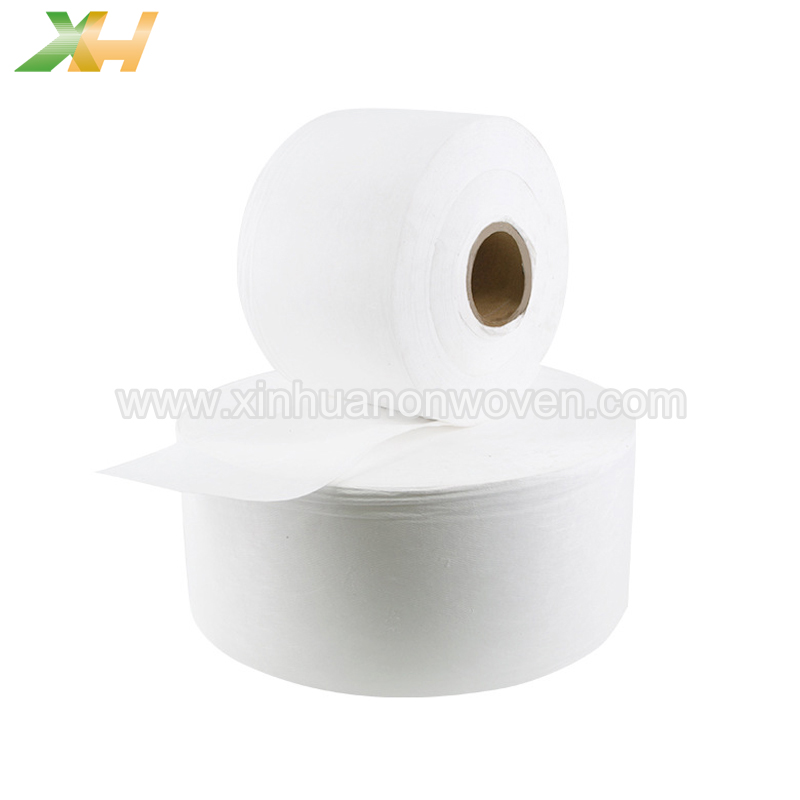
Applications and Value
By virtue of its intricate ultrafine fiber structure and multifunctional properties, melt-blown nonwoven fabric plays an indispensable and critical role in numerous fields, including healthcare and hygiene, filtration and purification, personal care, and environmental protection. Its typical applications include:
Air and liquid filtration materials
Isolation and shielding materials
Adsorption and oil-absorption materials
Thermal insulation materials and wiping cloths
Please Read On, Stay Posted, Subscribe, And We Welcome You To Tell Us What You Think.
Copyright @ 2026 Xinhua Textile Co., Limited All Rights Reserved. Network Supported
Hi! Click one of our members below to chat on
 English
  Français
 Deutsch
 Русский
 Italiano
 Español
 Português
 عربي
عربي Indonesia
 עִברִית