
Send Email info@xinhuatextile.com
Need Any Help?+86 -13805995216
Send Email info@xinhuatextile.com
Need Any Help?+86 -13805995216
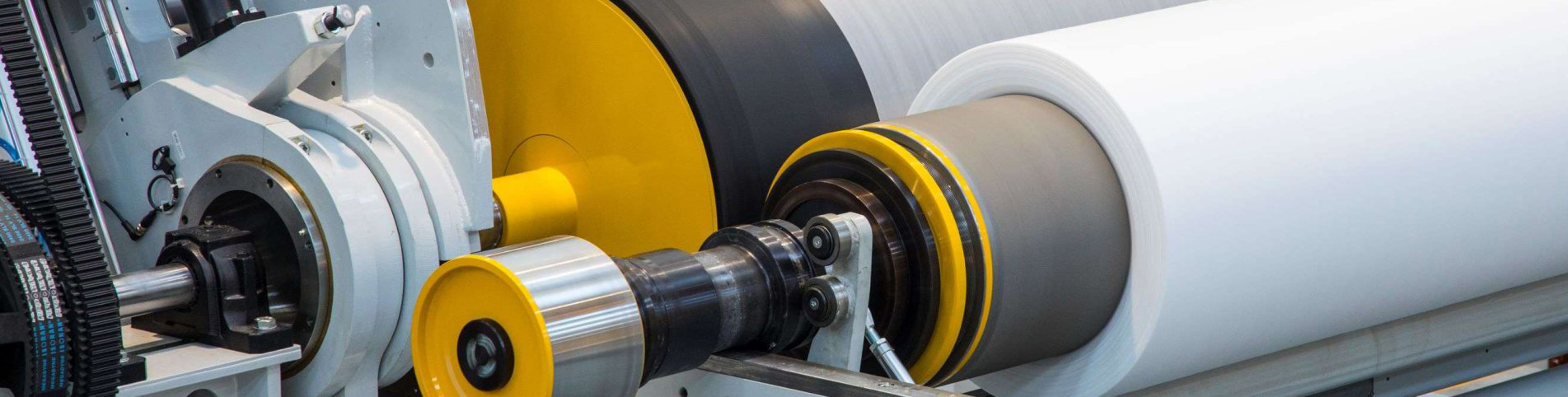
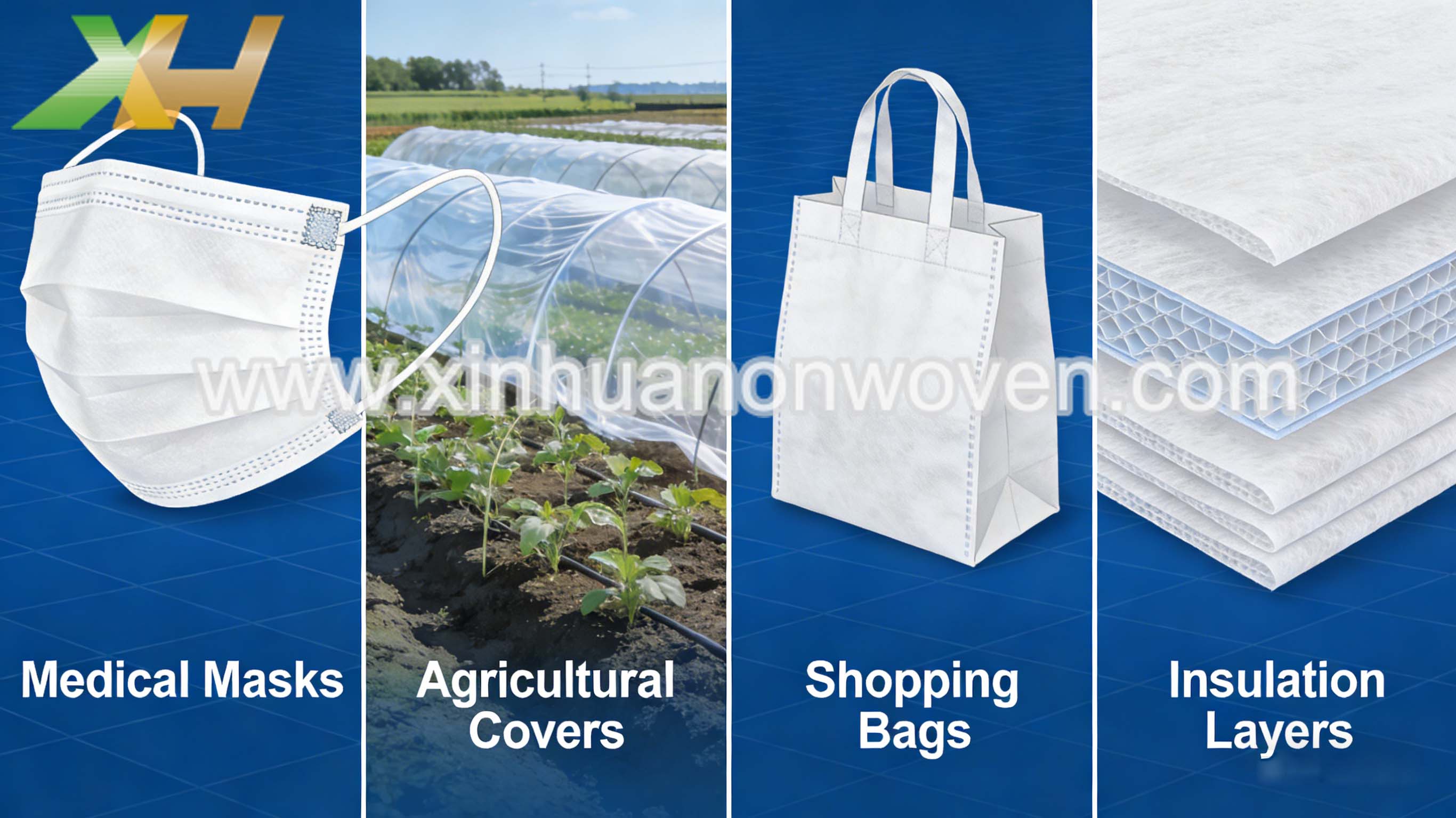
Among the various types of nonwoven fabrics, polypropylene spunbond nonwovens have emerged as one of the most widely utilized materials in modern industrial sectors. Their applications are ubiquitous, spanning a multitude of fields ranging from medical masks and agricultural crop covers to shopping bags and thermal insulation layers. Renowned for their lightweight yet durable structure, spunbond nonwovens serve not only as an economical alternative to traditional textiles but also combine high strength, excellent breathability, and broad versatility.
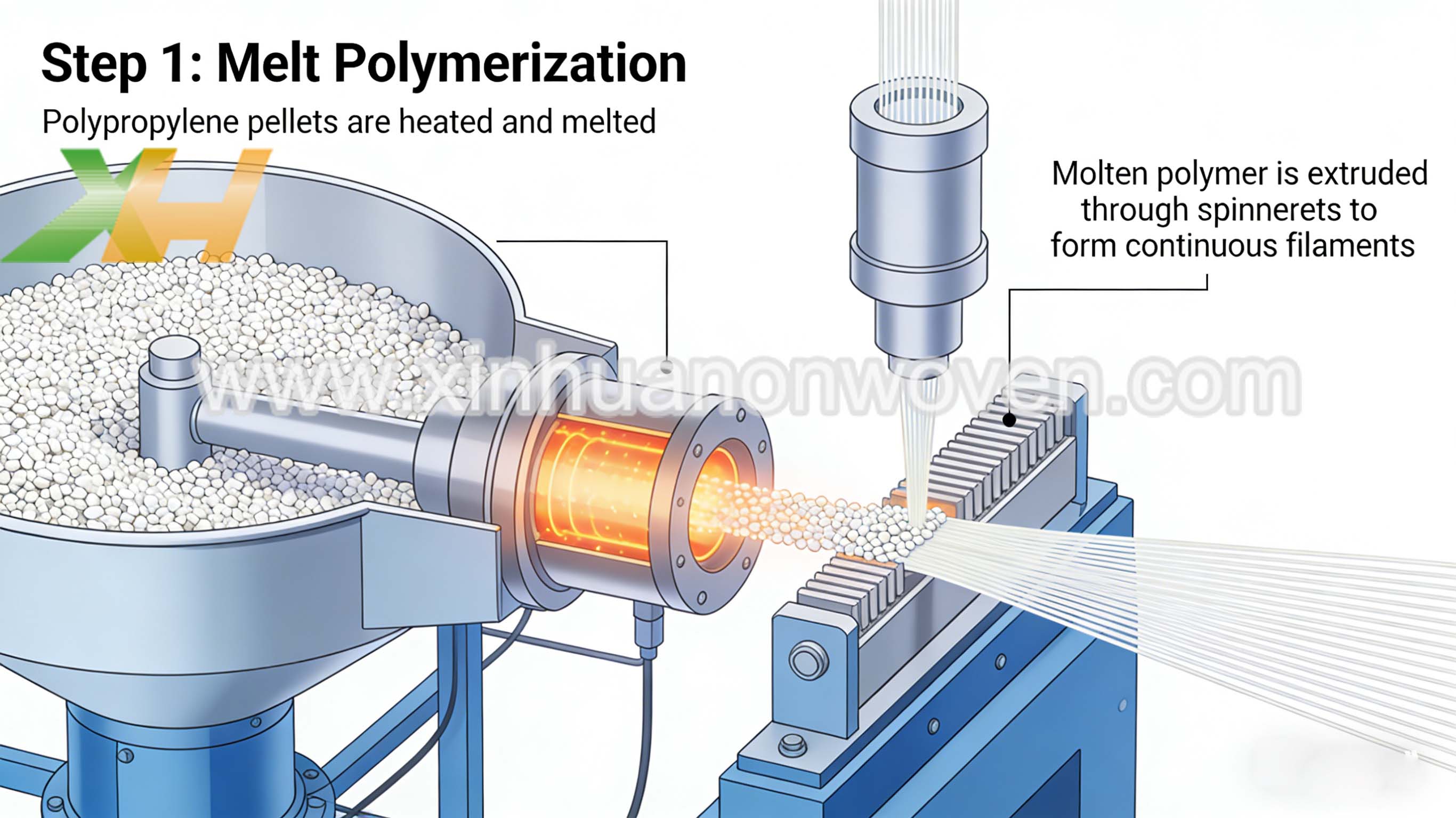
The primary raw material for producing polypropylene spunbond nonwovens is polypropylene (PP) resin. Polypropylene is a thermoplastic polymer distinguished by its excellent chemical resistance and high melting point. The initial step in the manufacturing process involves melt polymerization—heating and melting the polypropylene granules to transform them into a molten state. Subsequently, the molten polypropylene is extruded through a spinneret to form continuous filaments. The selection of the specific polymer grade and the precise configuration of extrusion parameters play a critical role in determining the performance characteristics—including strength and flexibility—of the final product.
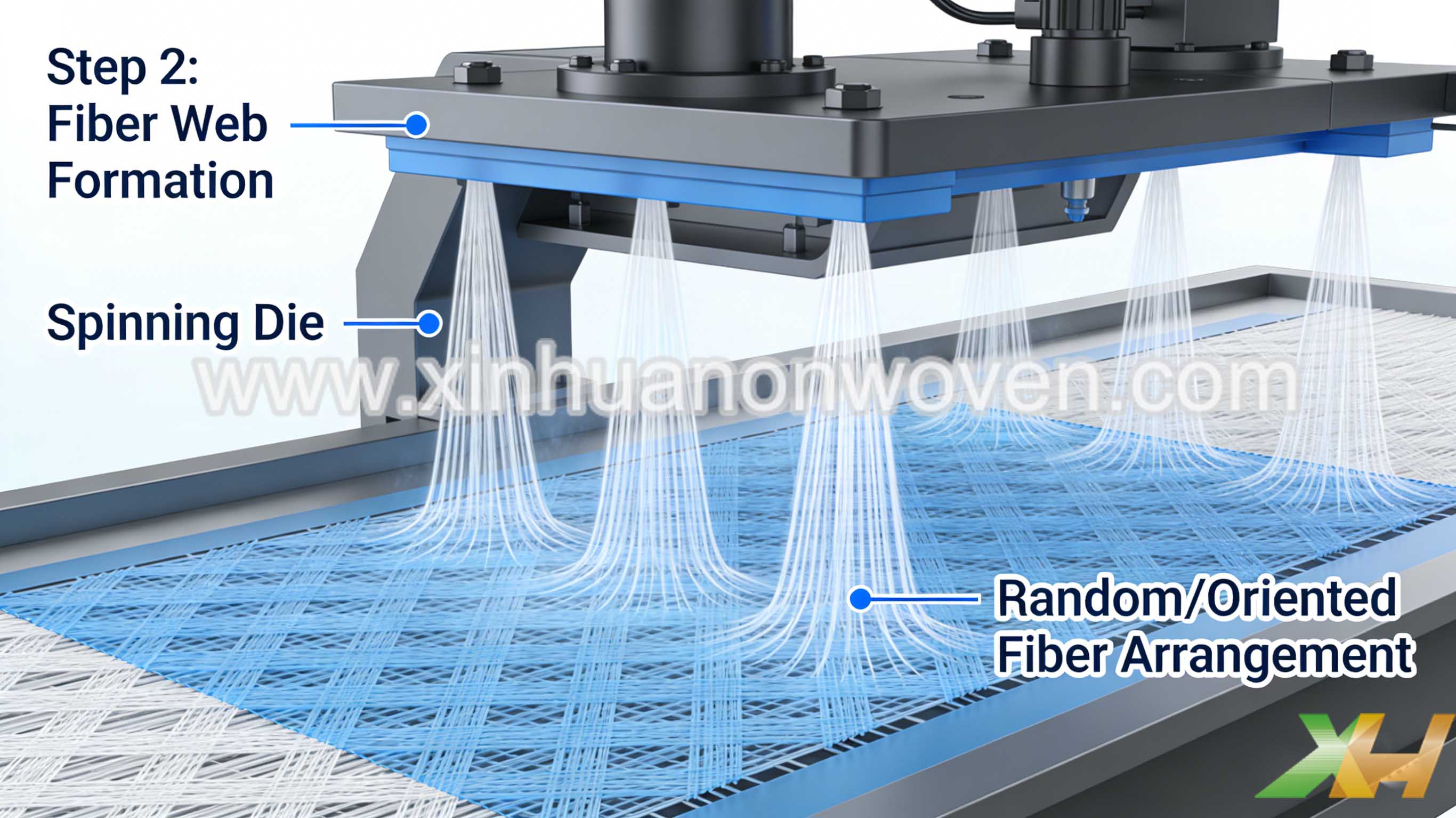
Once the polypropylene has undergone melting and extrusion, it proceeds to the fiber formation stage. During this phase, the molten polypropylene is forced through a spinneret—a device perforated with numerous fine orifices—to spin out long, continuous filaments. These filaments subsequently cool and solidify, thereby forming the fibers. The next critical step is web formation, wherein the spun fibers are laid down to create a web-like structure; depending on the specific performance requirements of the final product, these fibers may be arranged in either a random or an oriented pattern. The web formation process can be achieved through various methods, such as air-laid or carding techniques.
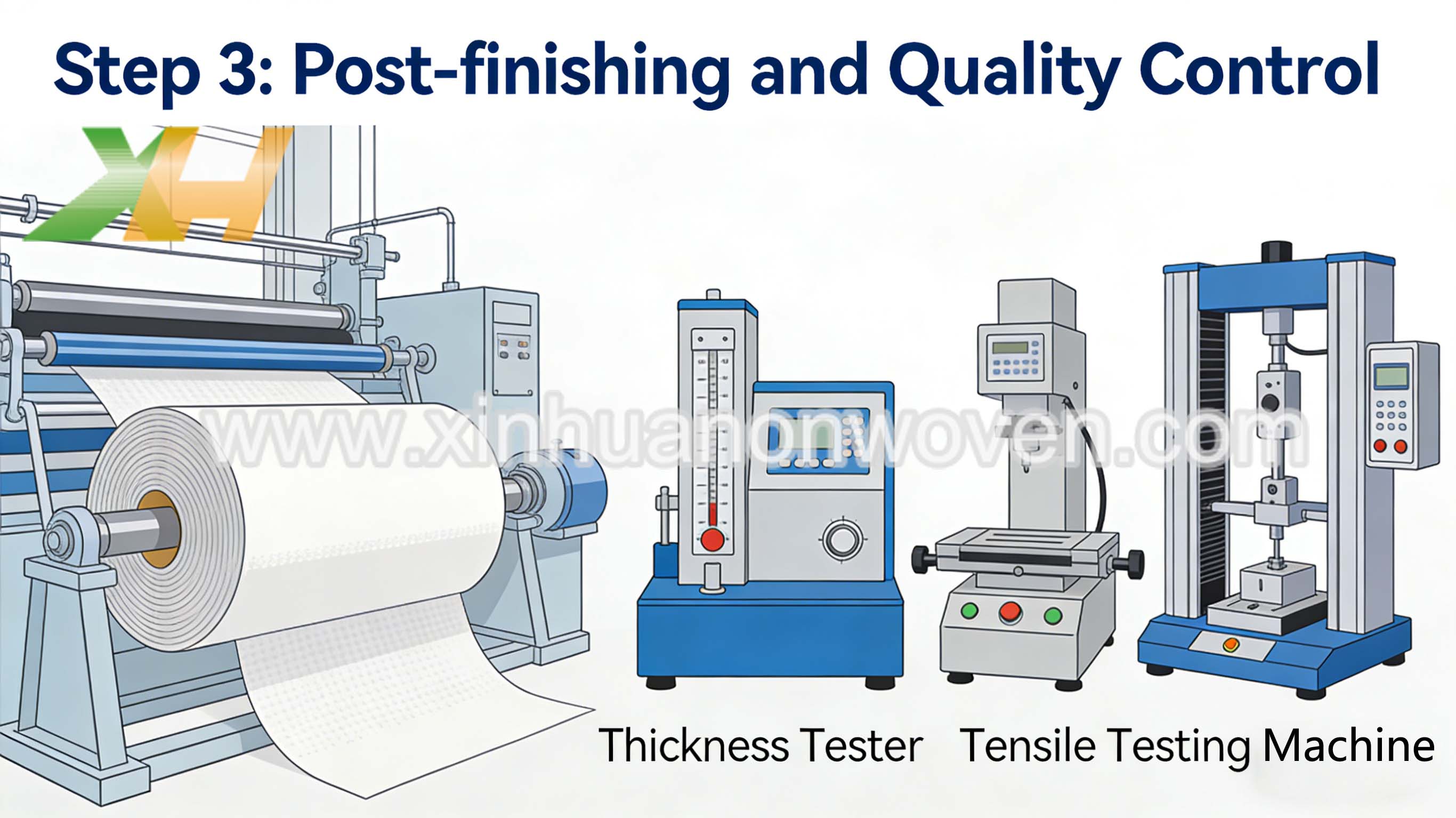
The final stage of the polypropylene spunbond nonwoven manufacturing process encompasses finishing treatments and quality control. During the finishing phase, the fabric may undergo additional processing—such as dyeing, coating, or lamination—to further enhance its performance attributes. These treatments impart specific functional properties to the fabric, such as color, water resistance, or increased tensile strength. The quality control phase is paramount, serving to ensure that the final product fully complies with all established standards and technical specifications. To this end, a series of tests must be conducted—including assessments of tensile strength, thickness, and basis weight—to comprehensively verify the fabric's performance and its consistency across different production batches.
As a highly versatile functional material, polypropylene (PP) spunbond nonwoven fabric offers numerous significant advantages over traditional textiles. Thanks to its unique properties, it serves as an ideal choice for a wide range of applications across various industries—including agriculture, geotextiles, home textiles, and packaging—with a particularly prominent role in the medical sector.
Please Read On, Stay Posted, Subscribe, And We Welcome You To Tell Us What You Think.
Copyright @ 2026 Xinhua Textile Co., Limited All Rights Reserved. Network Supported
Hi! Click one of our members below to chat on
 English
  Français
 Deutsch
 Русский
 Italiano
 Español
 Português
 عربي
عربي Indonesia
 עִברִית