
Send Email info@xinhuatextile.com
Need Any Help?+86 -13805995216
Send Email info@xinhuatextile.com
Need Any Help?+86 -13805995216
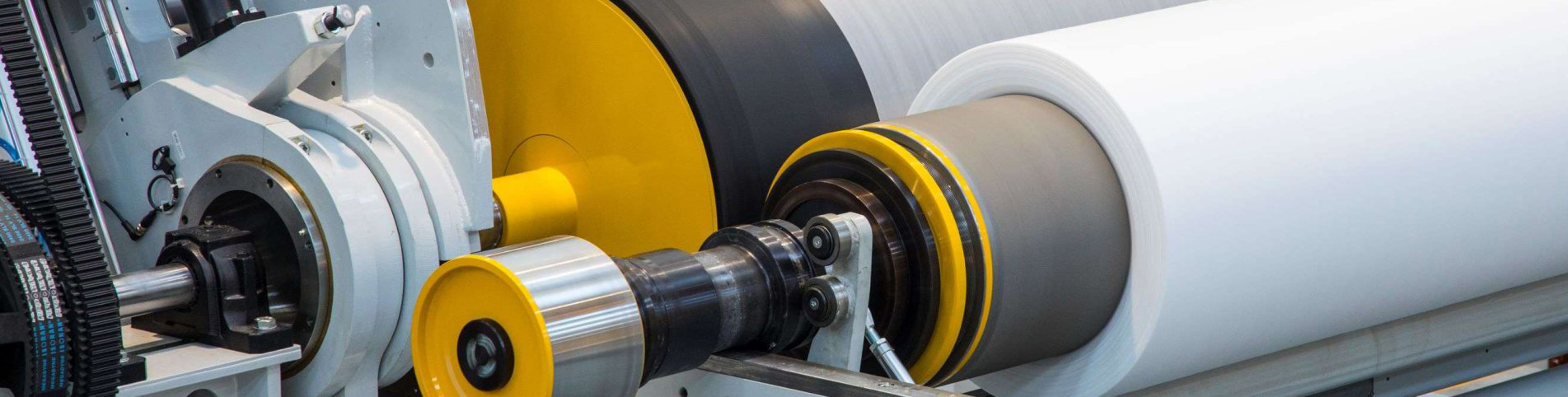
Why Are Non-Woven Fabrics Crucial Across Modern Industries?
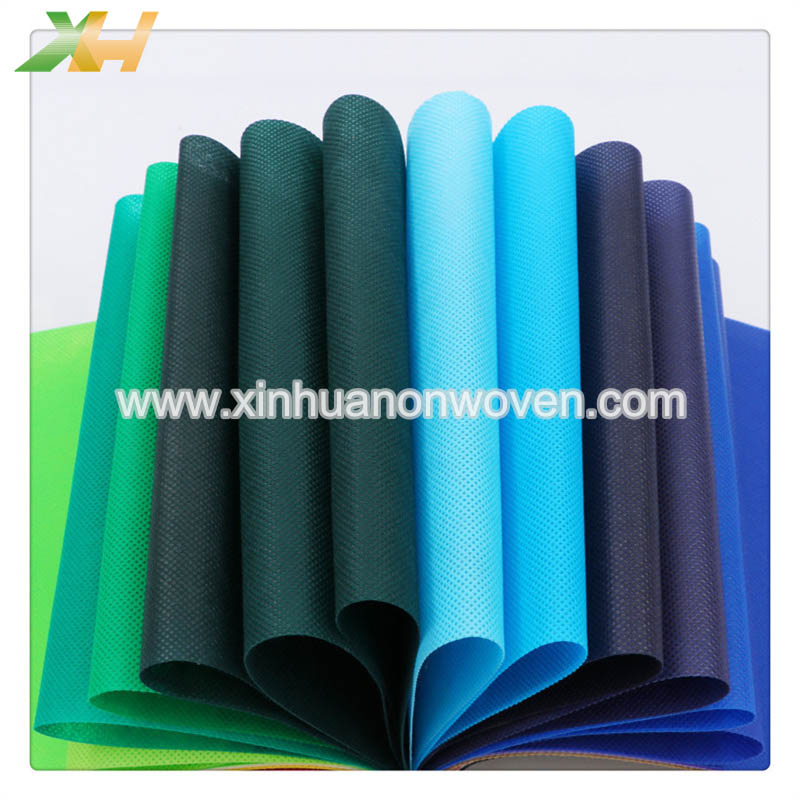
Unlike traditional textiles, non-woven fabrics are not produced through weaving, knitting, or braiding processes. Instead, they are formed directly from natural fibers (such as cotton or wool) or synthetic fibers (such as polypropylene [PP] or polyester [PET]) into sheet-like or web-like structures, which are then bonded and consolidated through methods such as mechanical entanglement (e.g., needle punching or hydroentanglement), chemical bonding, or thermal bonding. This unique manufacturing method endows non-woven fabrics with a combination of cost-effectiveness and versatility, establishing them as an indispensable foundational material within modern industry.
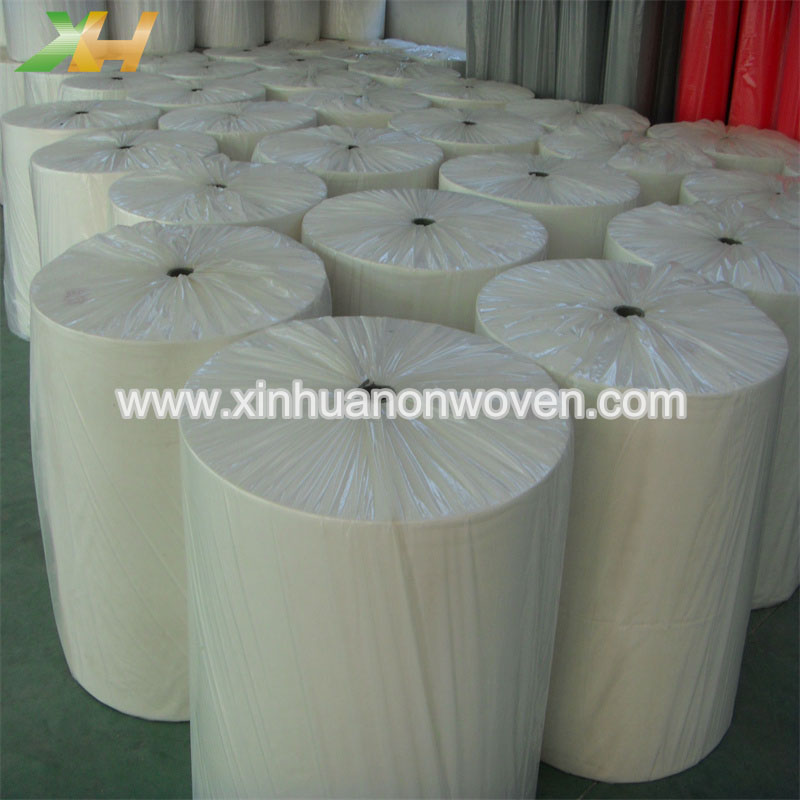
I. The Sustained Growth in Demand for Hygiene Products—A Primary Driving Force
Non-woven fabrics serve as a core material in disposable hygiene products, including baby diapers, adult incontinence products, feminine hygiene products, and wet wipes. Non-woven fabrics possess irreplaceable advantages in terms of absorbency, softness, strength, and cost-effectiveness. The growth in demand is primarily attributed to the following factors:
Population growth and the expansion of the middle class in emerging markets;
Rapid urbanization, which has enhanced the prevalence and accessibility of packaged hygiene products;
The global trend of an aging population, which has driven increased demand for adult incontinence products;
A widespread rise in health and hygiene awareness (a trend accelerated by the COVID-19 pandemic), leading to a steady increase in per capita consumption.
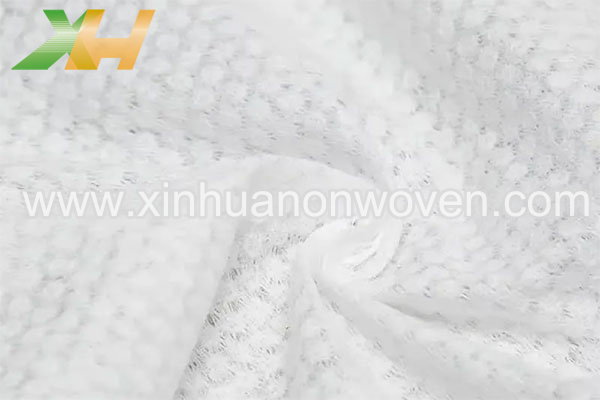
II. Broad Application Areas and Robust Resilience Against Cyclical Risks
Non-woven fabrics have deeply penetrated numerous industries, each of which maintains its own steady growth trajectory:
Healthcare: Applied in areas such as surgical gowns, face masks, wound dressings, and sterilization packaging, fully leveraging their advantages regarding barrier properties, sterility, and the convenience of single-use disposability;
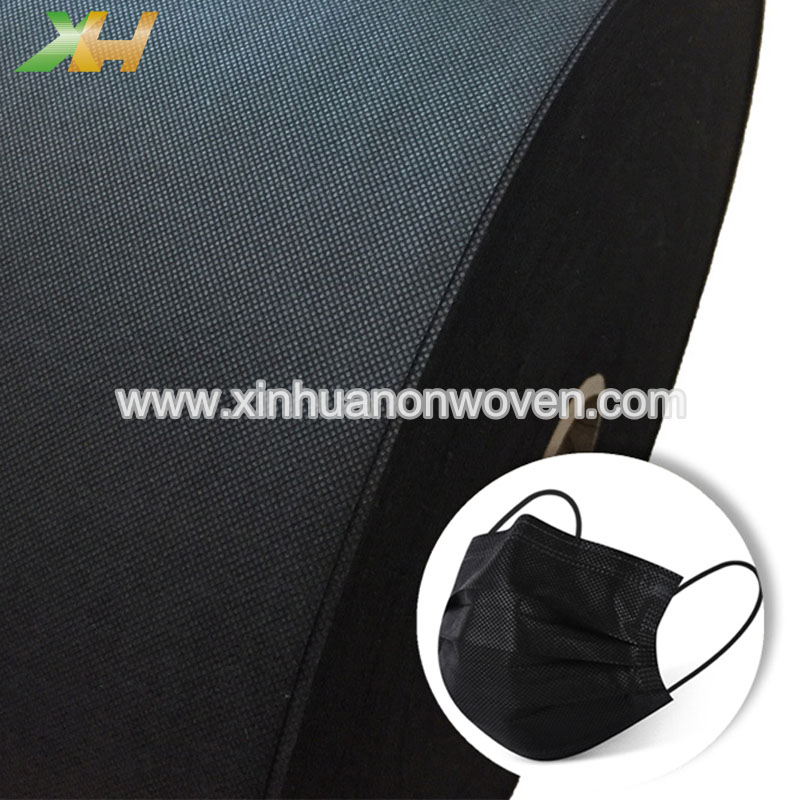
Automotive Industry: Used in the manufacture of trunk liners, sound and thermal insulation materials, air filters, and other components, helping to meet standards related to noise reduction and fuel efficiency;
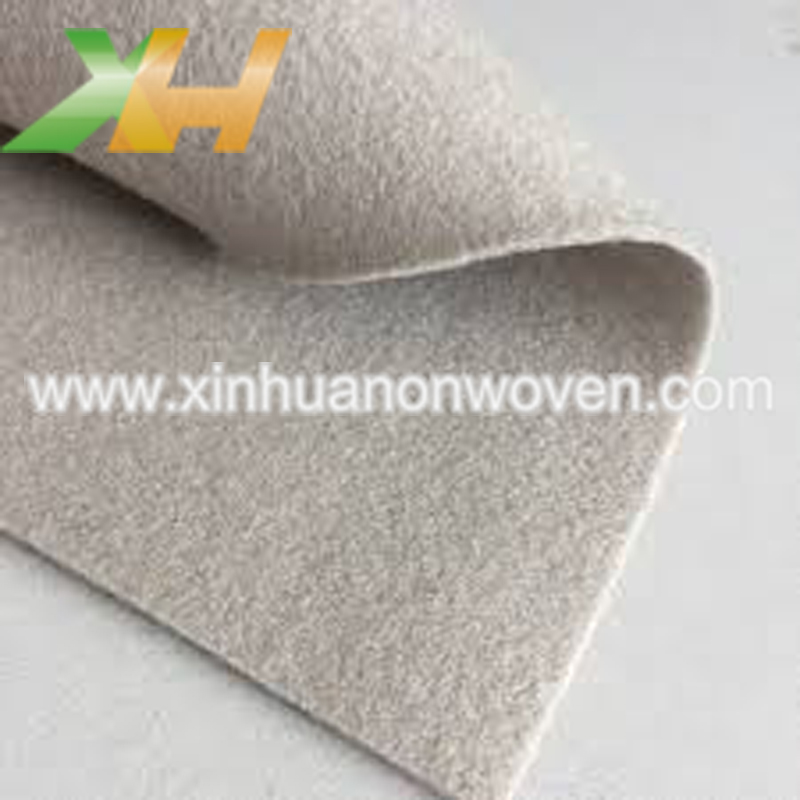
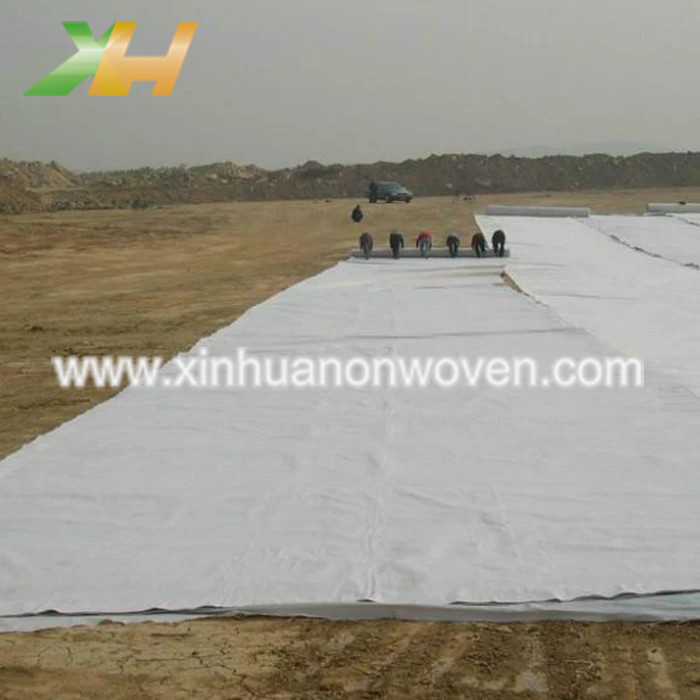
Construction and Civil Engineering: Utilized as geotextiles, performing functions such as separation, filtration, drainage, and reinforcement in road construction and landfill projects;
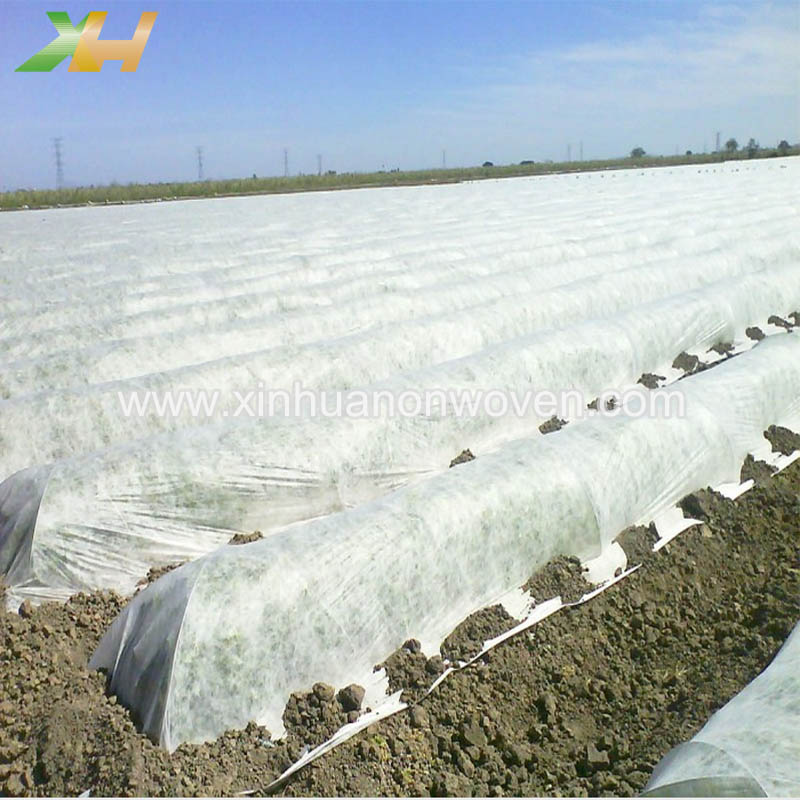
Agriculture: Employed as crop covers to protect against frost, pests, and UV radiation, thereby effectively extending the crop growth cycle;
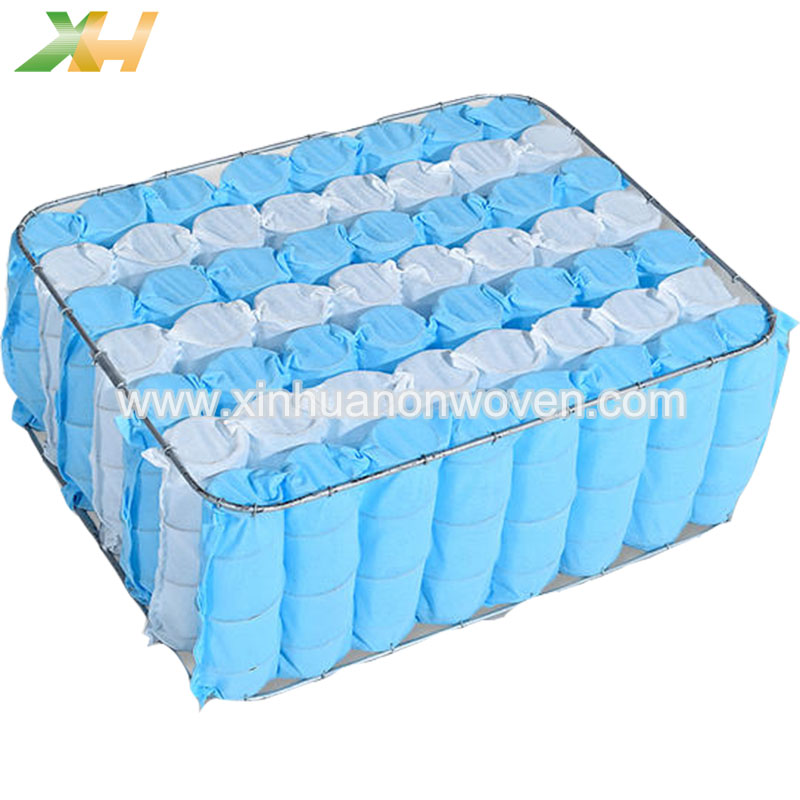
Home Goods: Incorporated into various household products—such as tablecloths, bed sheets, and sofa spring covers—offering a combination of excellent properties including durability, breathability, and moisture resistance.
III. Sustainable Development Drives Material Innovation
Traditionally, non-woven fabrics have relied primarily on petroleum-based synthetic fibers (such as PP and PET); however, their environmental impact is now facing increasingly rigorous scrutiny. Consequently, the industry is accelerating the development of biocomposite materials, specifically including:
Natural Fibers—encompassing wood pulp cellulose, bamboo fibers, and agricultural waste;
Polylactic Acid (PLA)—derived from corn starch or sugarcane.
These biodegradable and compostable materials significantly reduce the full lifecycle environmental footprint of single-use products—without compromising product performance—thereby emerging as the fastest-growing segment within the materials sector.
Conclusion
Leveraging their manufacturing flexibility, diverse performance characteristics, and controllable costs—coupled with an active embrace of the green transition—non-woven fabrics have established themselves as foundational materials across numerous sectors, including hygiene, healthcare, transportation, construction, and agriculture. In the years to come, their importance is certain to continue its upward trajectory.
Please Read On, Stay Posted, Subscribe, And We Welcome You To Tell Us What You Think.
Copyright @ 2026 Xinhua Textile Co., Limited All Rights Reserved. Network Supported
Hi! Click one of our members below to chat on
 English
  Français
 Deutsch
 Русский
 Italiano
 Español
 Português
 عربي
عربي Indonesia
 עִברִית