
Send Email info@xinhuatextile.com
Need Any Help?+86 -13805995216
Send Email info@xinhuatextile.com
Need Any Help?+86 -13805995216
What is Furniture Non-Woven Fabric?
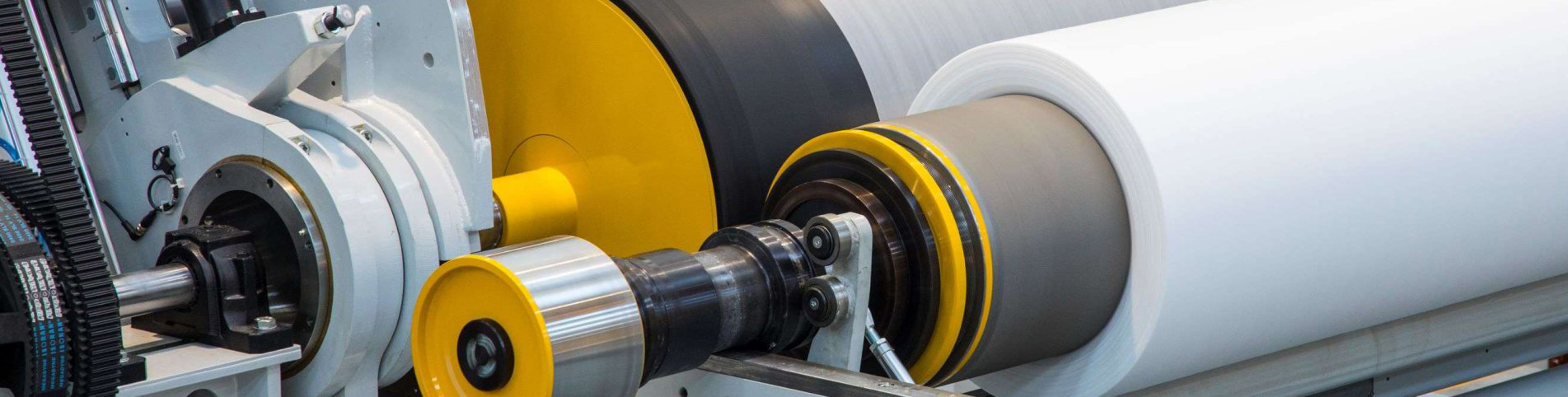
In the modern furniture manufacturing industry, certain materials—though invisible to the consumer—play a pivotal role in determining a product's overall quality and longevity. Furniture-grade non-woven fabric is precisely one such material; concealed within the interior of sofas, beneath mattresses, or behind seat backrests, it performs core functions such as structural shaping, protection, and isolation, thereby providing finished furniture with robust structural support and comprehensive functional integrity.
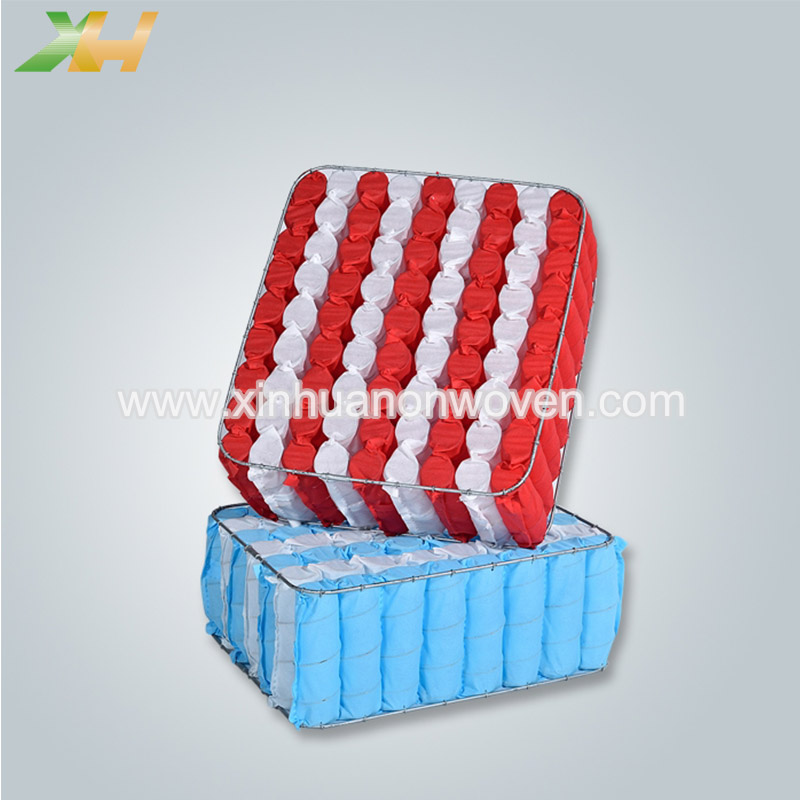
Furniture non-woven fabric is an engineered material specifically designed for the furniture manufacturing sector. It is produced by directly forming polypropylene or polyester fibers through processes such as spunbonding, needle punching, or thermal bonding—thereby bypassing the weaving stage that is indispensable in traditional textile manufacturing. The material's basis weight (grammage) varies across a wide spectrum—typically ranging from 10 g/m² to 200 g/m²—allowing manufacturers to flexibly select the most suitable specifications to meet the unique requirements of each specific application scenario.
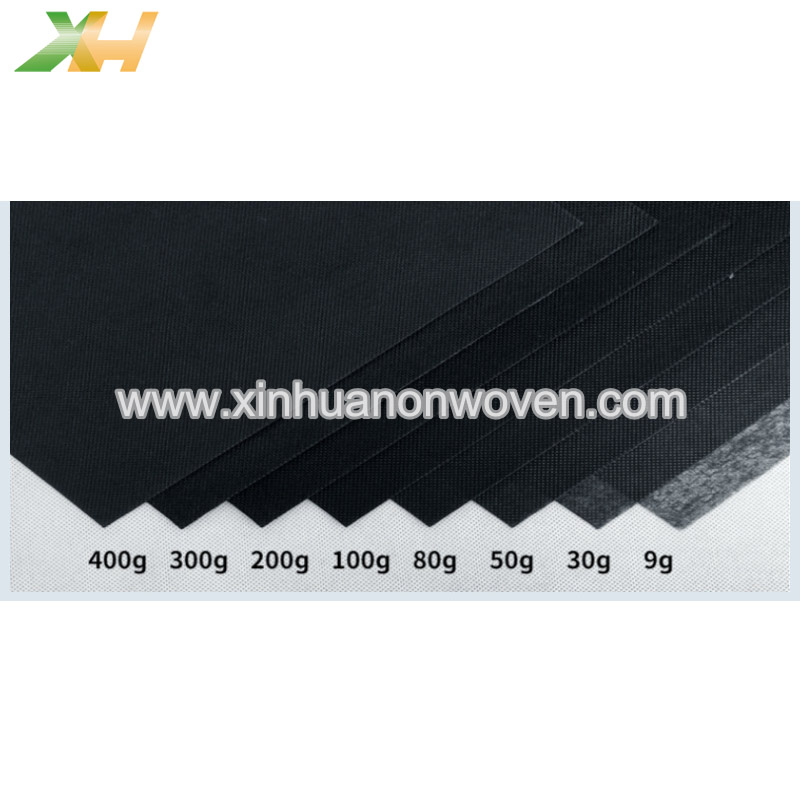
Compared to standard non-woven fabrics, furniture non-wovens are subject to far more rigorous requirements regarding tensile strength, durability, and dimensional stability. They must be capable of withstanding the high-frequency mechanical stresses inherent in the furniture manufacturing process—including operations such as sewing, upholstery wrapping, and stapling.
Core Characteristics and Performance Advantages
The widespread adoption of furniture non-woven fabric across various furniture manufacturing sectors is attributed to the comprehensive advantages derived from its multifaceted engineering properties:
1.High Strength and Durability:It possesses exceptional tensile strength, tear resistance, and abrasion resistance. This enables it to not only withstand the mechanical stresses generated during furniture production but also maintain its structural integrity consistently throughout years of long-term use.
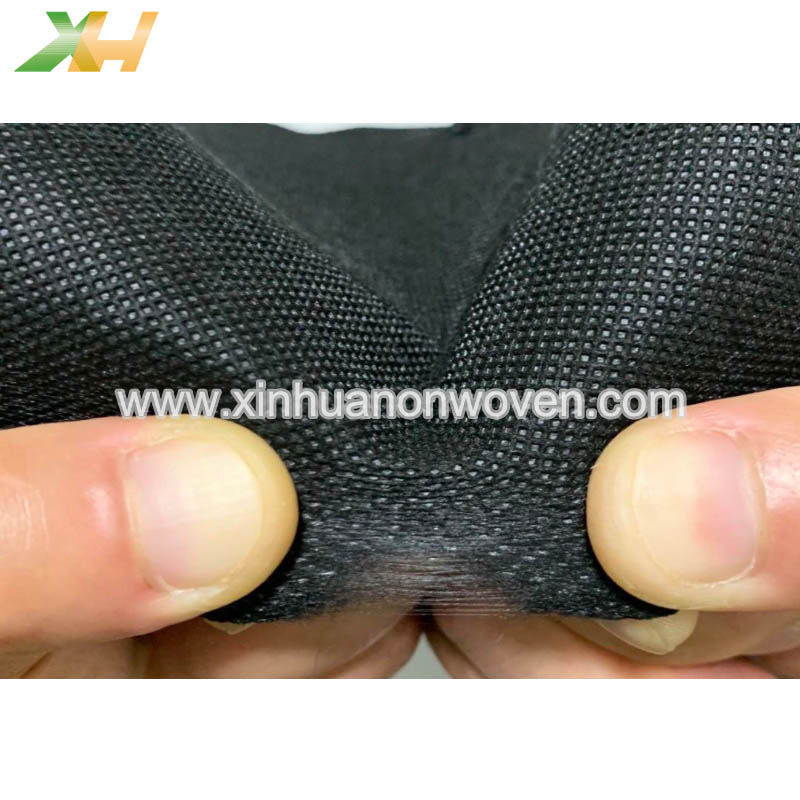
2.Dimensional Stability and Environmental Adaptability:Even in high-temperature environments, it maintains excellent dimensional stability, exhibiting minimal susceptibility to shrinkage or deformation. Furthermore, it combines superior breathability with water-repellent properties, effectively preventing internal filling materials from deteriorating due to moisture exposure.
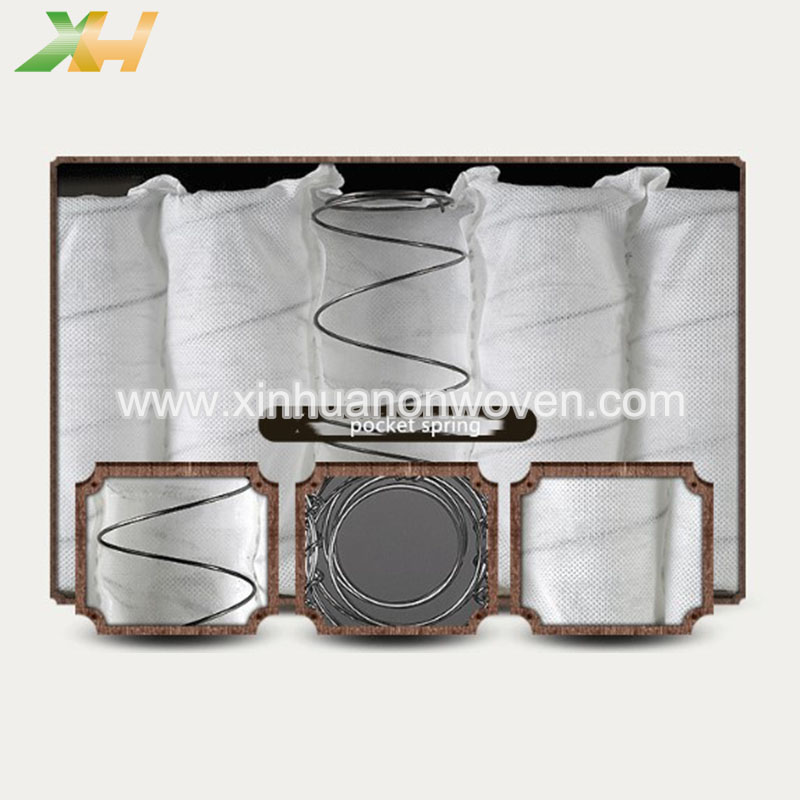
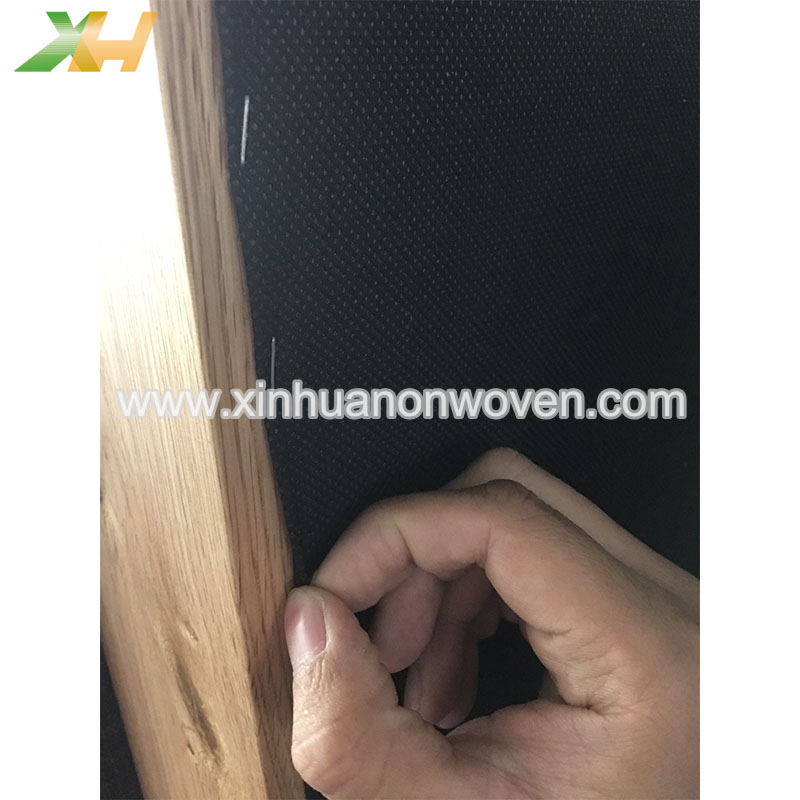
3.Ease of Processing:This material demonstrates exceptional adaptability to a wide range of manufacturing processes. It can be readily subjected to operations such as sewing, bonding, die-cutting, and stapling; moreover, its edges resist fraying or unraveling, thereby fully meeting the diverse processing requirements of modern furniture production lines.
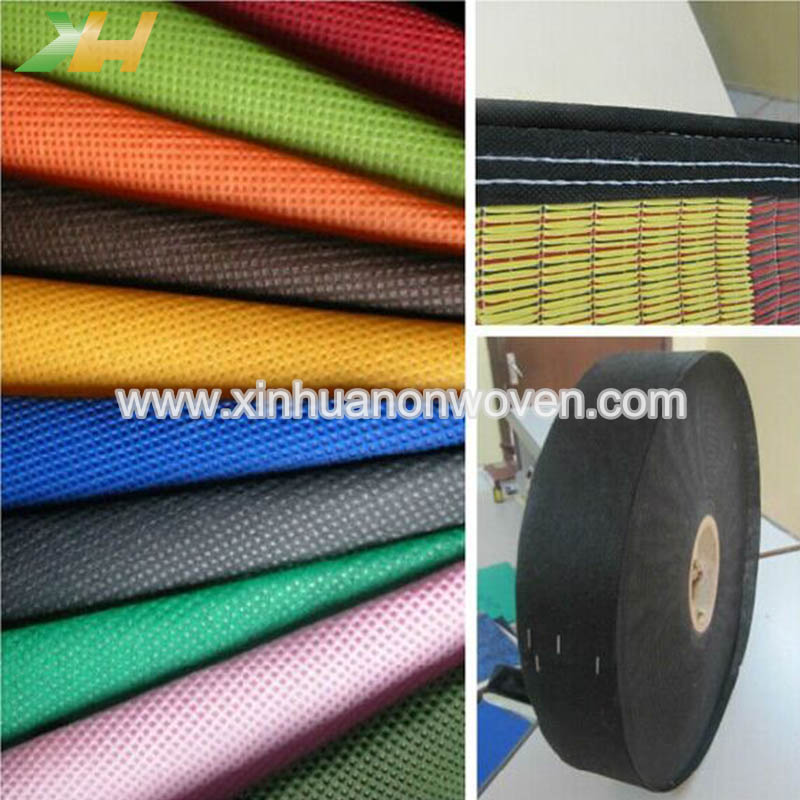
4. Functional Customization:This fabric can undergo flame-retardant treatment to comply with various fire safety standards, as well as antimicrobial treatment to inhibit the proliferation of dust mites and fungi. Furthermore, the fabric boasts outstanding colorfastness and offers an extensive palette of color options—ranging from natural, undyed tones to fully customized color schemes.
Applications in Furniture Manufacturing
Non-woven fabrics are utilized across multiple stages of the upholstered furniture production process, performing distinct functions within various components:
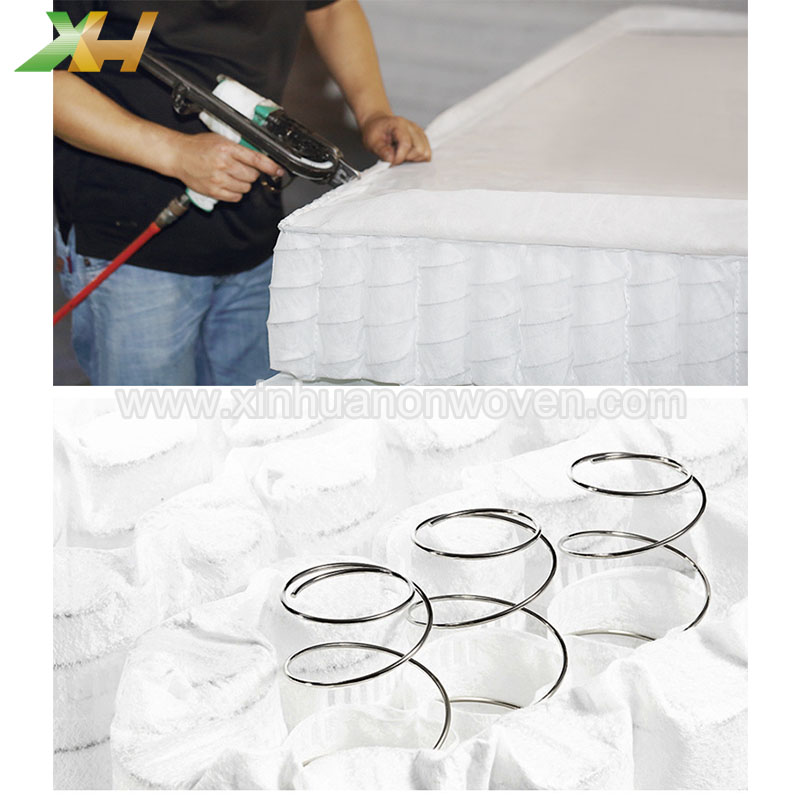
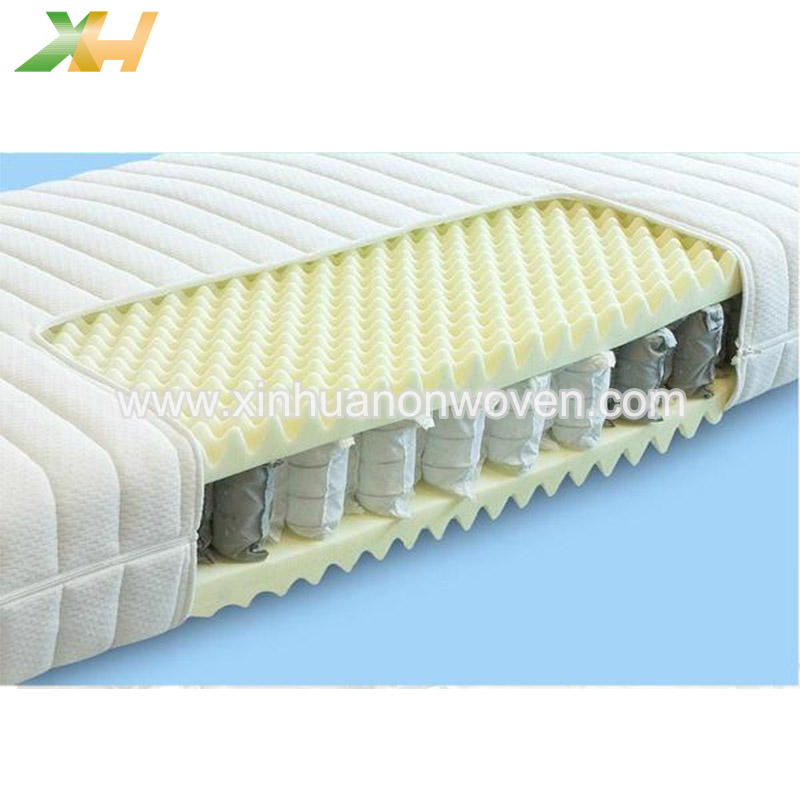
Spring Encapsulation and Isolation Layers:Used to individually encase pocket springs, preventing friction between springs and eliminating noise; they also serve as an isolation layer between springs and foam, preventing wear and tear caused by direct contact.
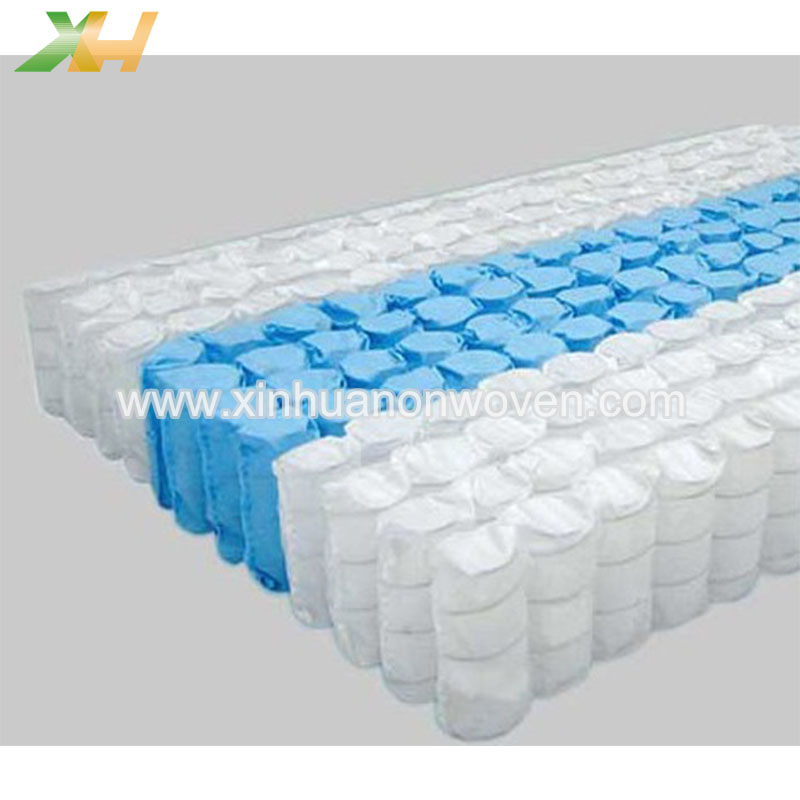
Internal Linings and Backings:Function as internal lining fabrics for sofas and chairs, covering the undersides of open frames to maintain a neat internal structure; they are also used as covering layers for seat cushions and pillow cores to enhance the shape retention of the filling materials.
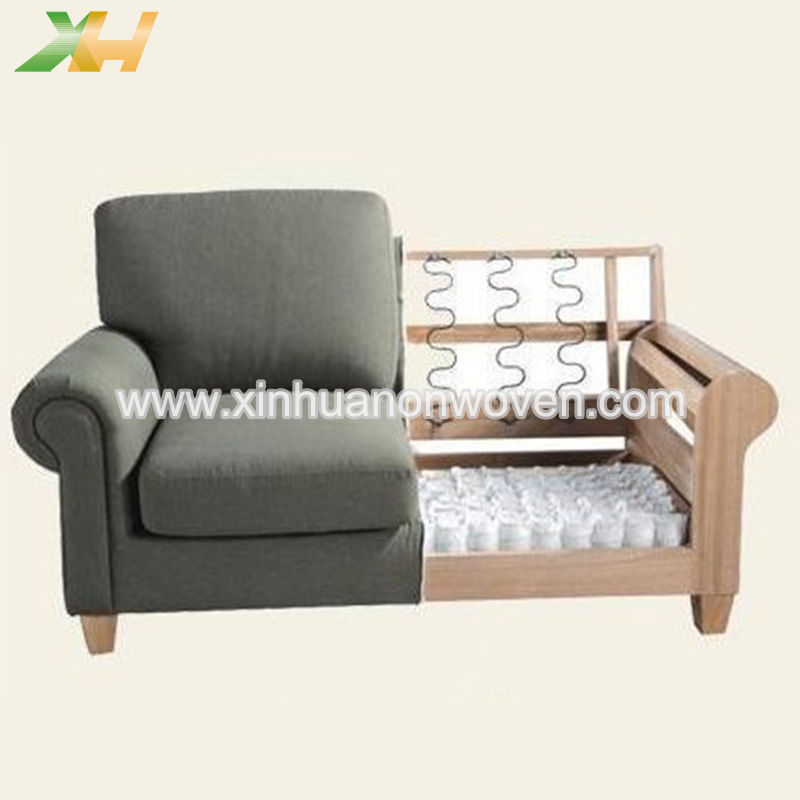
Dust-proof Bottom Cloths:Applied to the undersides of sofas and bed frames to prevent dust from entering the internal structure; they also serve to conceal hardware components and springs, thereby enhancing the overall aesthetic appeal of the product.
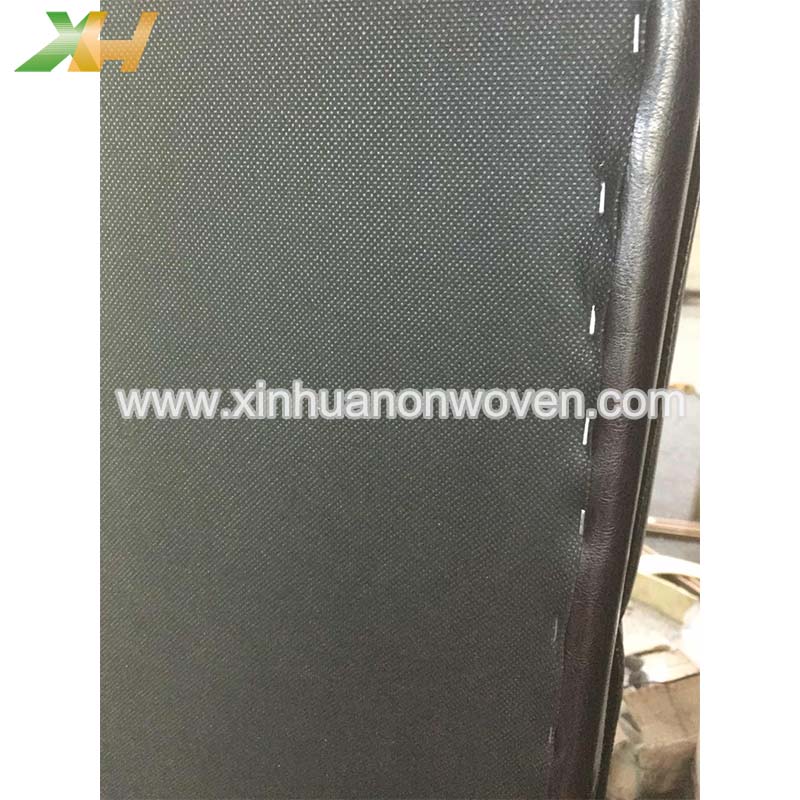
Comfort Layer Construction:Serve as the base fabric for quilted layers—typically laminated with foam or spray-bonded cotton—collectively forming the comfort layers of seat cushions and backrests; they are also utilized as buffering and isolation layers situated between spring units and foam layers.
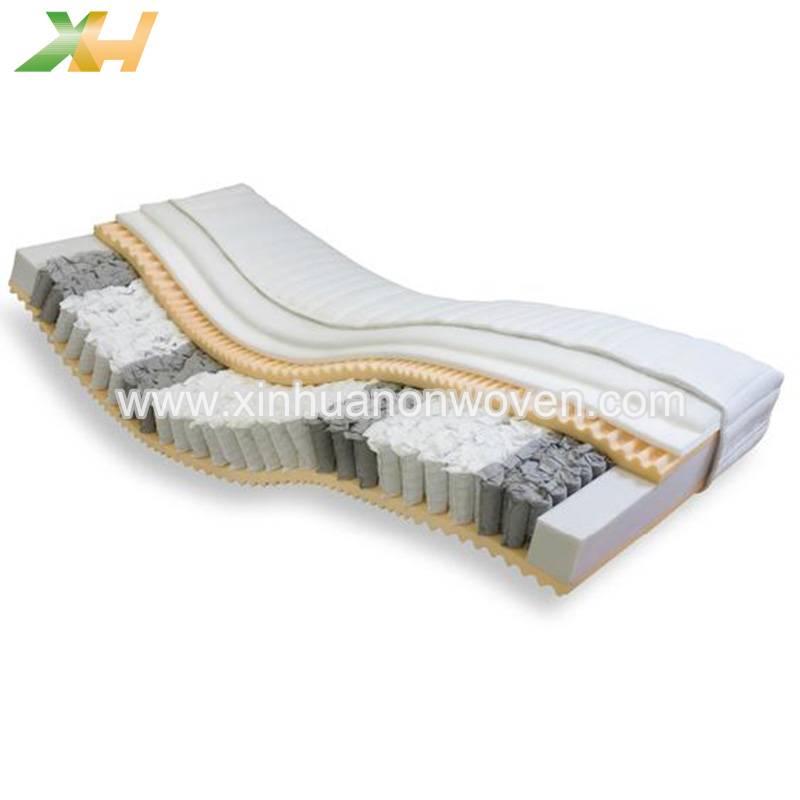
Mattress Construction:Applied within various internal components of mattresses, including border fabrics, spring encapsulation layers, and isolation layers for filling materials; within the multi-layered composite structures of modern mattresses, they serve as a vital connecting material.
Industry Trends and Market Outlook
The global market for non-woven fabrics in furniture manufacturing is currently exhibiting strong growth momentum. According to industry reports, the application of non-woven fabrics within the furniture and construction panel sectors is projected to continue expanding between 2024 and 2032, driven primarily by the following factors:
Growing Demand for Sustainable Materials:As consumer environmental awareness continues to rise, furniture manufacturers are increasingly opting for engineered materials that are both recyclable and biodegradable. Non-woven fabrics, primarily composed of polypropylene, can be easily integrated into recycling systems.
Expansion of Commercial Spaces:The continuous expansion of commercial venues—such as offices, hotels, and healthcare facilities—is driving increased demand for durable and low-maintenance furniture; this, in turn, has led to a higher adoption rate of non-woven materials within these specific environments.
Continuous Technological Innovation: Non-woven fabric manufacturing technology is in a state of constant evolution, leading to comprehensive enhancements in performance—such as increased tensile strength, superior moisture resistance, and customized flame-retardant capabilities—thereby fully meeting the furniture industry's rigorous demands for material performance.
Conclusion
Within the modern furniture manufacturing ecosystem, non-woven fabrics have become an indispensable functional material. Although often concealed from view, they play a pivotal role—ranging from providing structural support and internal protection to forming comfort layers—with functions spanning numerous critical stages of the manufacturing process. As the furniture industry undergoes a transformative upgrade toward high-end, functional, and sustainable production, the technical value and market standing of non-woven materials are bound to become increasingly prominent.
For furniture manufacturers, the precise selection of appropriate non-woven materials serves not only as a powerful guarantee for elevating product quality but also as a solid technical foundation for establishing a differentiated competitive advantage.
Please Read On, Stay Posted, Subscribe, And We Welcome You To Tell Us What You Think.
Copyright @ 2026 Xinhua Textile Co., Limited All Rights Reserved. Network Supported
Hi! Click one of our members below to chat on
 English
  Français
 Deutsch
 Русский
 Italiano
 Español
 Português
 عربي
عربي Indonesia
 עִברִית