
Send Email info@xinhuatextile.com
Need Any Help?+86 -13805995216
Send Email info@xinhuatextile.com
Need Any Help?+86 -13805995216
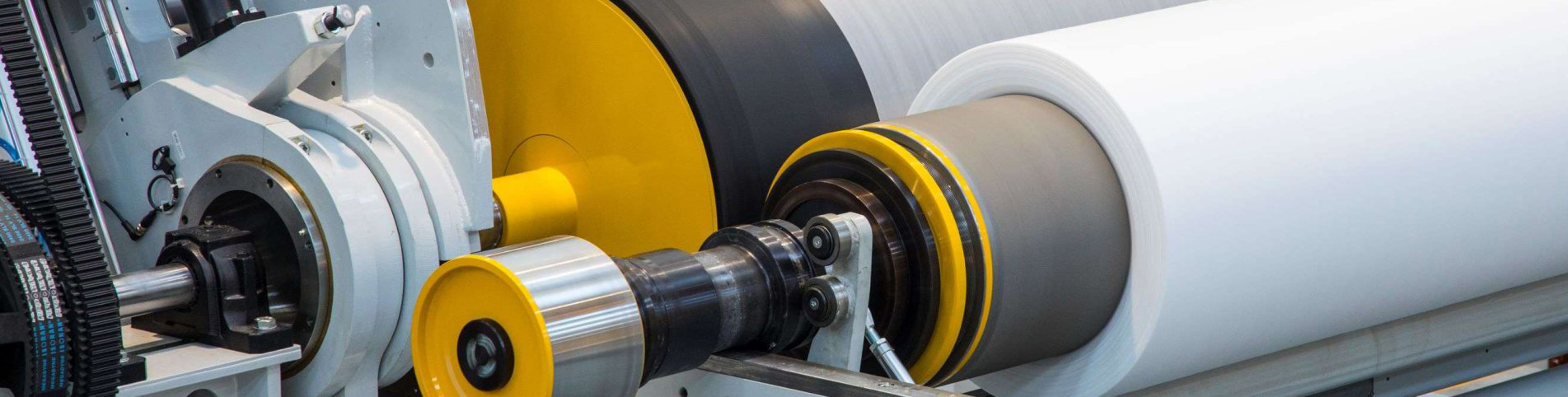
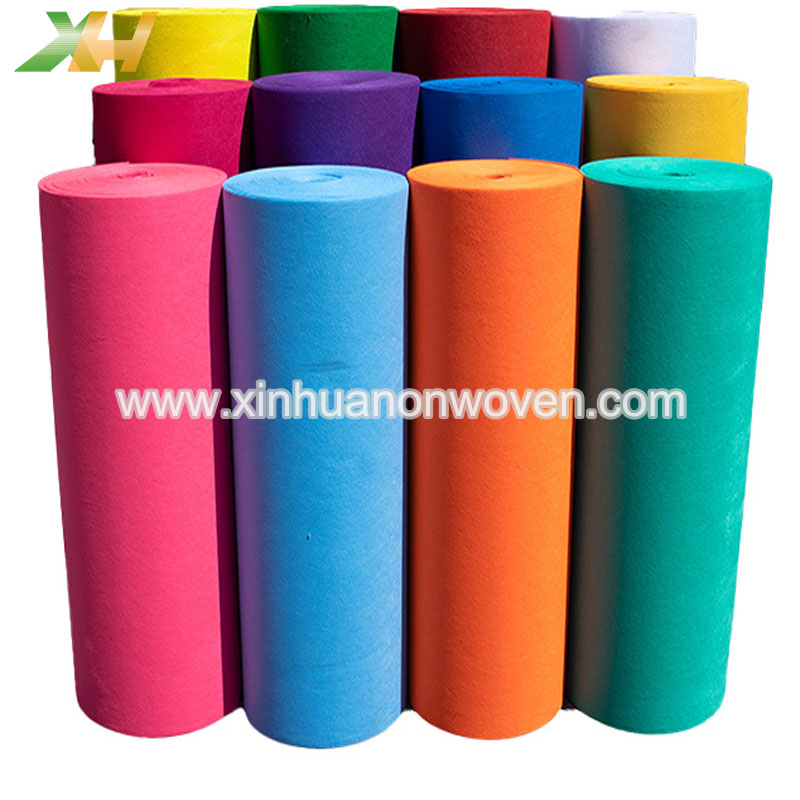
Polypropylene (PP) spunbond nonwoven fabric is a tough, versatile, and waterproof textile made from polypropylene. The raw material is stretched at high temperatures and polymerized into a web structure. This web is then firmly bonded to the fabric through a thermal bonding process. The production process for this fabric is relatively simple and yields large quantities. Due to its durability, breathability, UV resistance, moisture resistance, and tear resistance, it is widely used in various fields, including medical products, hygiene products, and packaging.
Spunbond Nonwoven Fabric Production Process:
This is a commonly used method for producing polymer layup nonwoven fabrics. The method employs melt spinning technology. In this method, molten material is generated by a spinning pump through a spinneret. The spinneret is equipped with cooling air ducts to deliver cold air to cool the fibers. Additionally, room temperature air is continuously supplied to the machine during production. Finally, the material is deposited on a screen belt in a web structure. The particle size of the web structure is random. The material layer below the conveyor belt extends downwards and is then transported by the conveyor belt to the fiber bonding zone. There, depending on the fabric's properties and materials, the mesh is bonded using chemical, mechanical, or thermal bonding methods. However, thermal bonding is the most commonly used bonding technology.
Property-bonded polypropylene nonwoven fabric characteristics:
Compared to woven fabrics, spunbond fabrics possess several unique properties that make them a preferred choice across various industries:
Strength and Durability: This fabric boasts high tensile and tear strength, making it robust, durable, and resistant to abrasion. Carefully designed to withstand the harsh conditions of a wide range of applications, ensuring your products remain intact throughout their entire lifespan.
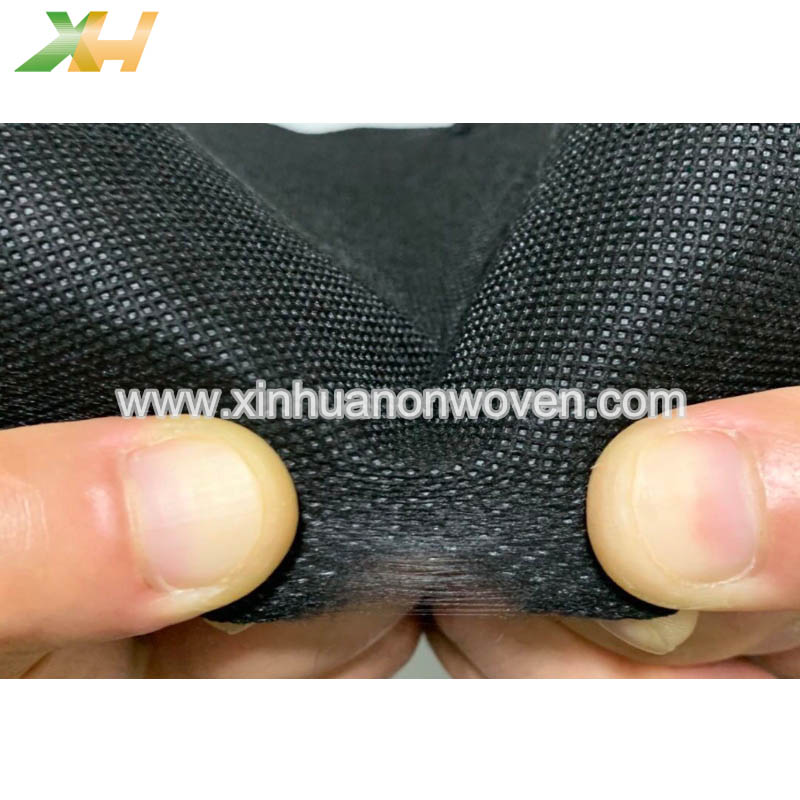
Breathability and Comfort: The fabric's breathable structure provides excellent ventilation, making it an excellent choice for applications requiring comfort and breathability.
Lightweight: Despite its high strength, it is lightweight, making it easy to handle, transport, and use in a variety of applications.
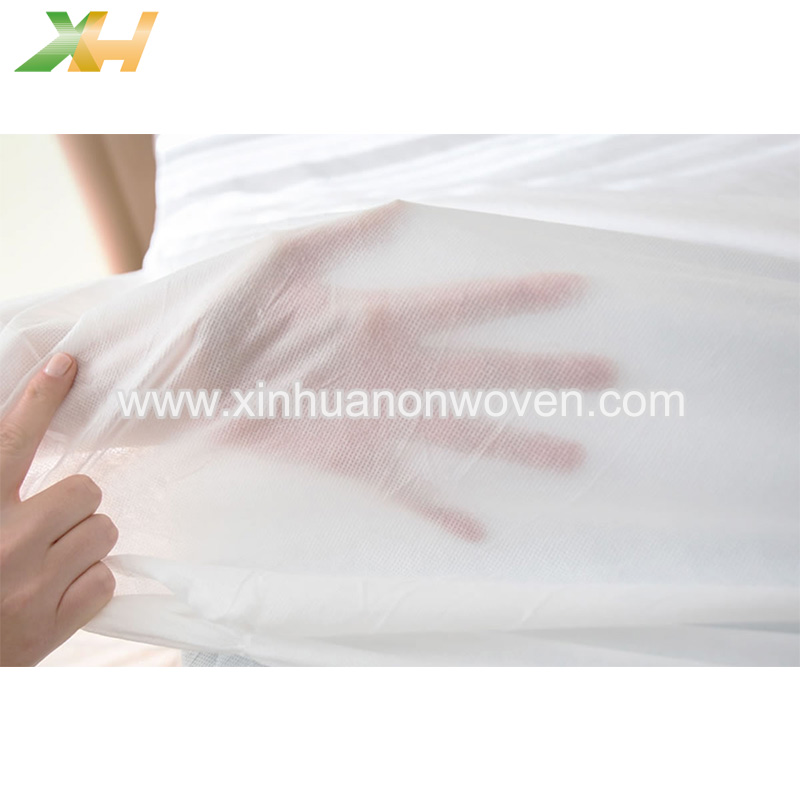
Hydrophobicity: The fabric protects your products from moisture and humidity, ensuring their quality and shelf life.
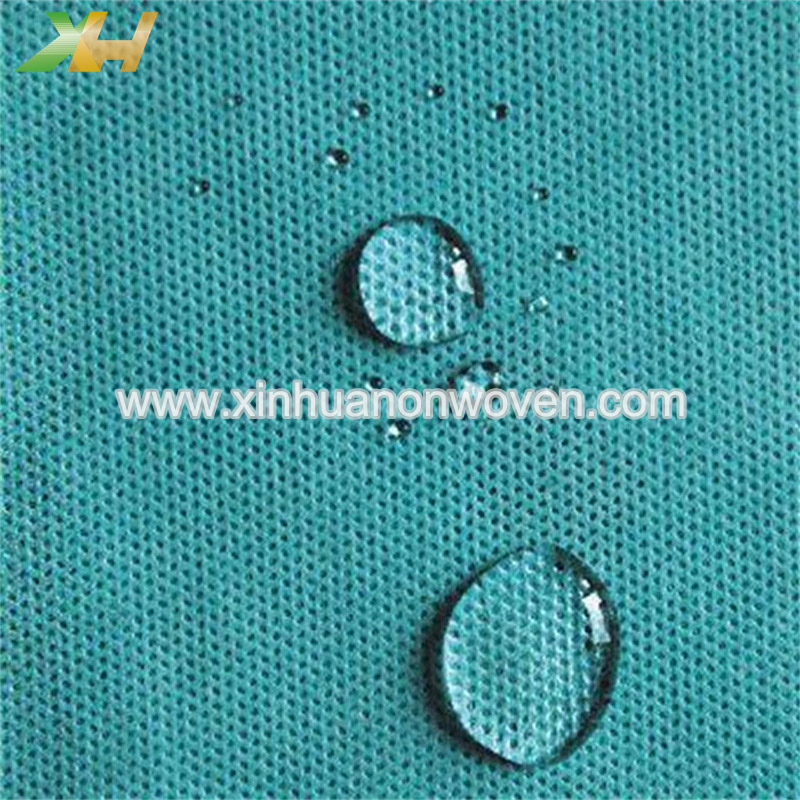
Waterproof: Suitable for applications with extremely high moisture resistance requirements. From protective clothing and medical supplies to outdoor furniture covers, it provides reliable waterproofing without compromising comfort and breathability. It is one of the best waterproof fabrics on the nonwoven market.
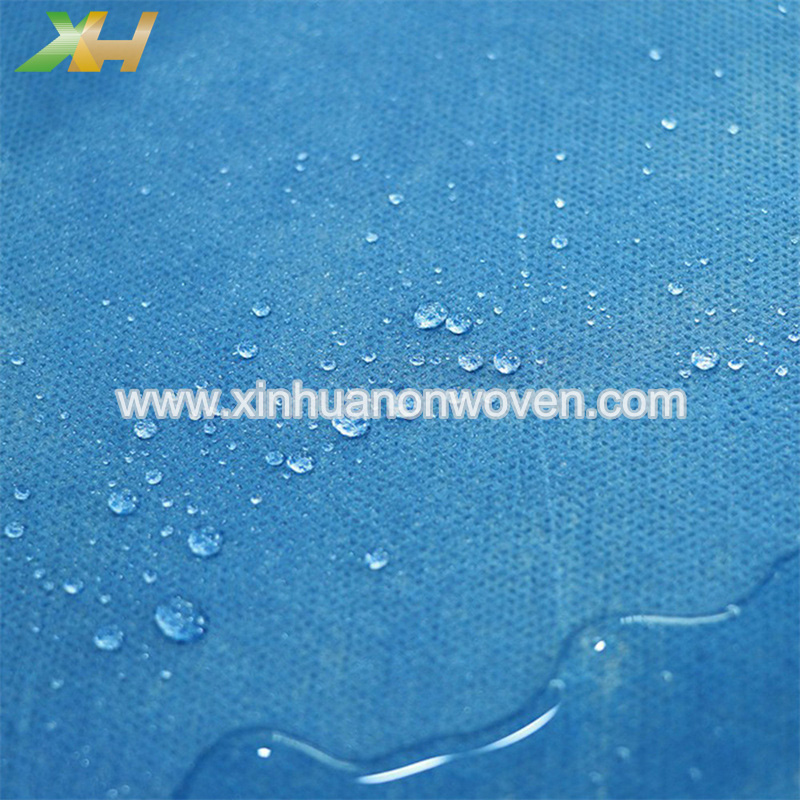
UV and Chemical Resistance: Resists harmful UV rays and various chemicals, ensuring durability and reliability in outdoor environments.
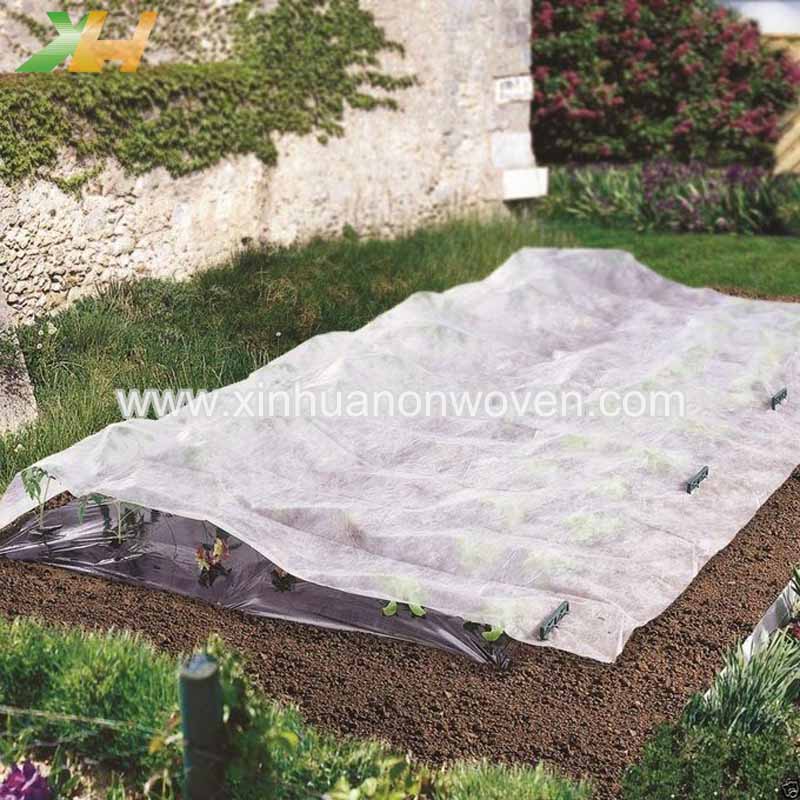
Biodegradable: Offers biodegradable fabric options, making it an environmentally friendly choice. These biodegradable fabrics naturally degrade over time, reducing environmental impact.
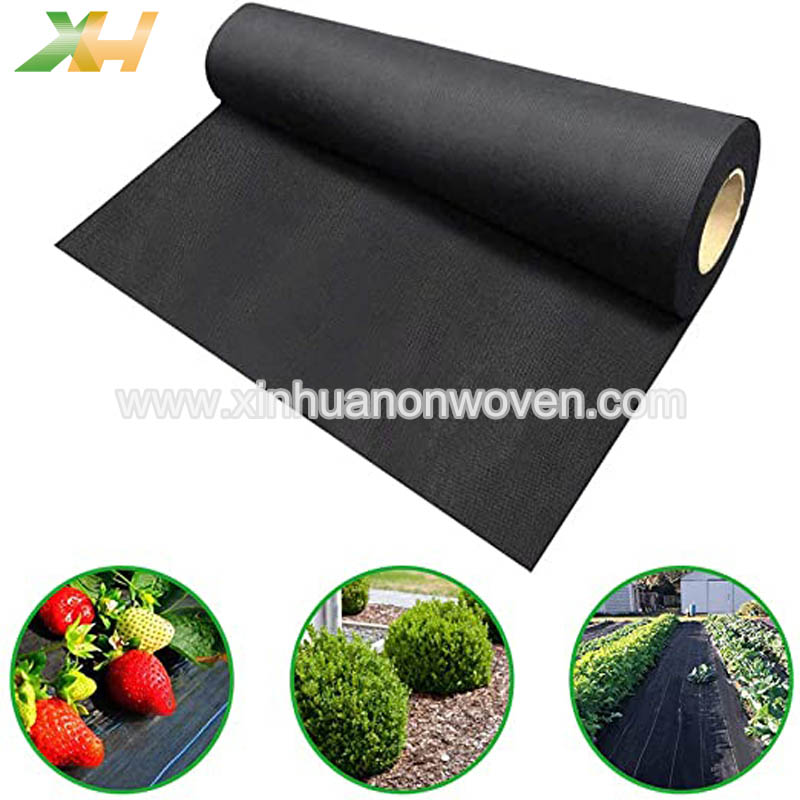
PP spunbond nonwovens are widely used in:
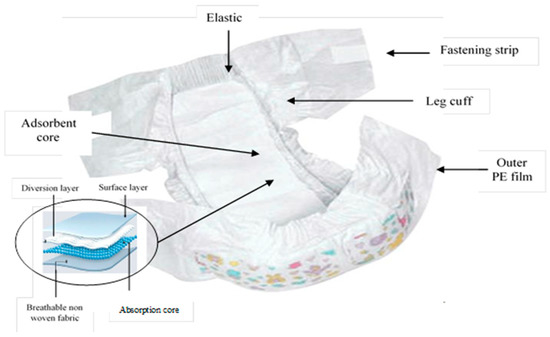
Hygiene Products:
Disposable diapers and sanitary napkins: Suitable as a surface layer due to its softness, waterproofness, and breathability.
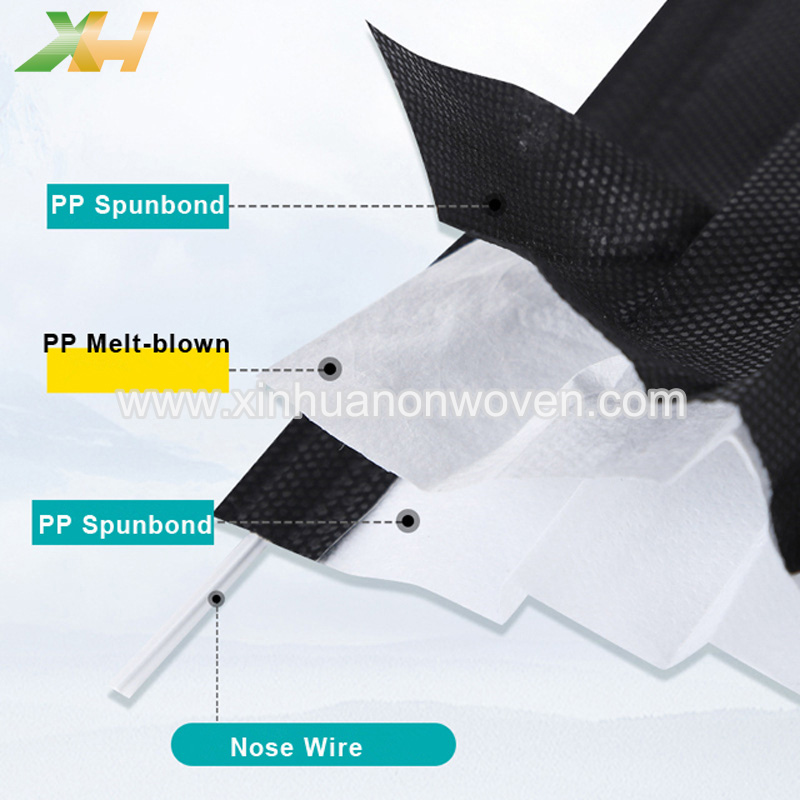
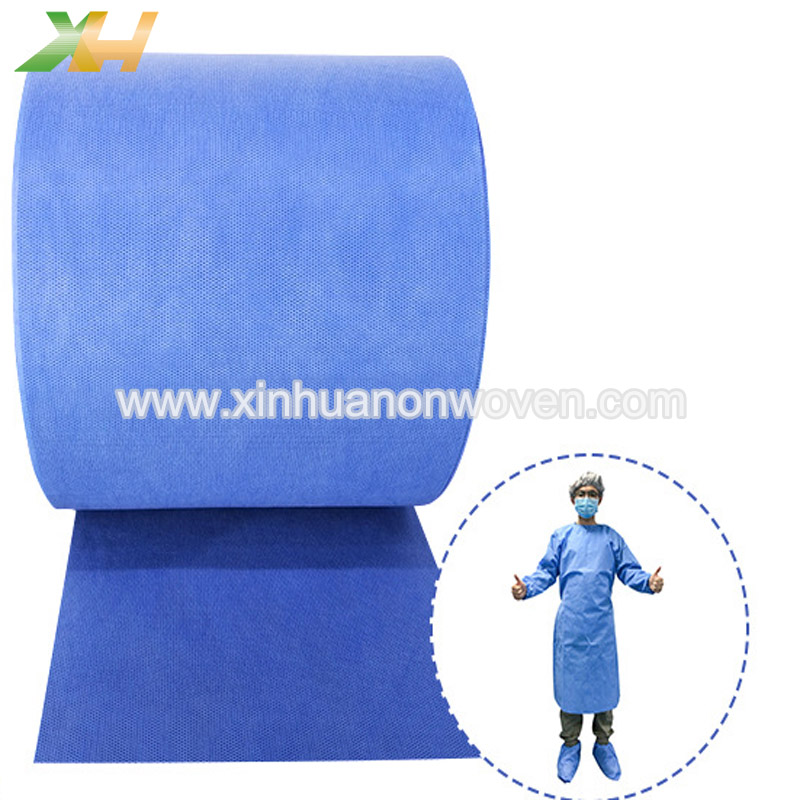
Medical Non Woven: Masks, caps, protective clothing, and shoe covers, due to their barrier properties and comfort.
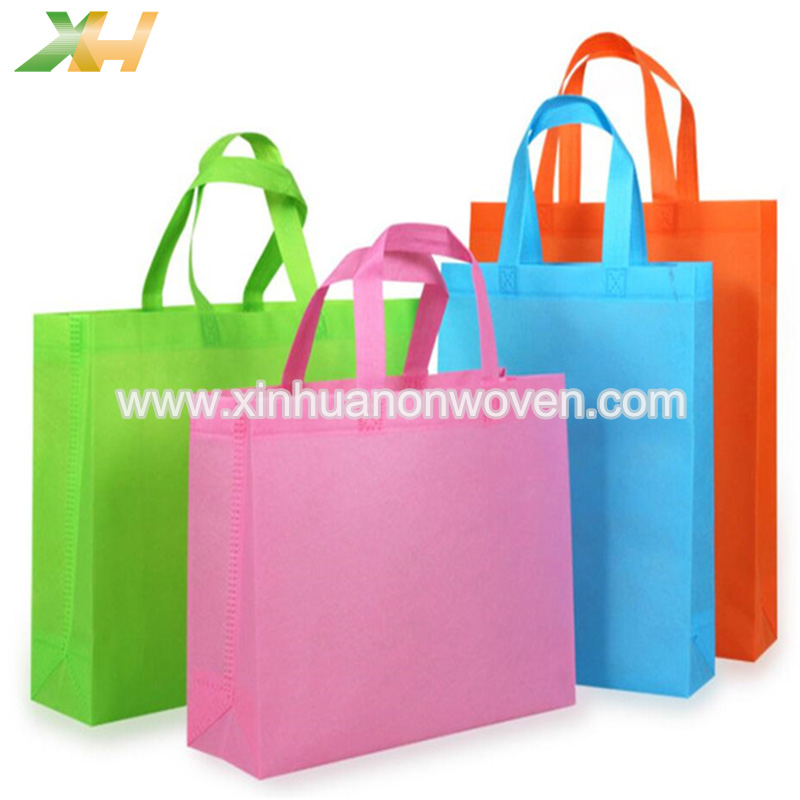
Packaging:
Packaging non woven bags and materials: Used in agriculture (crop mulch), shopping bags, and protective packaging due to its high strength and moisture resistance.
Construction:
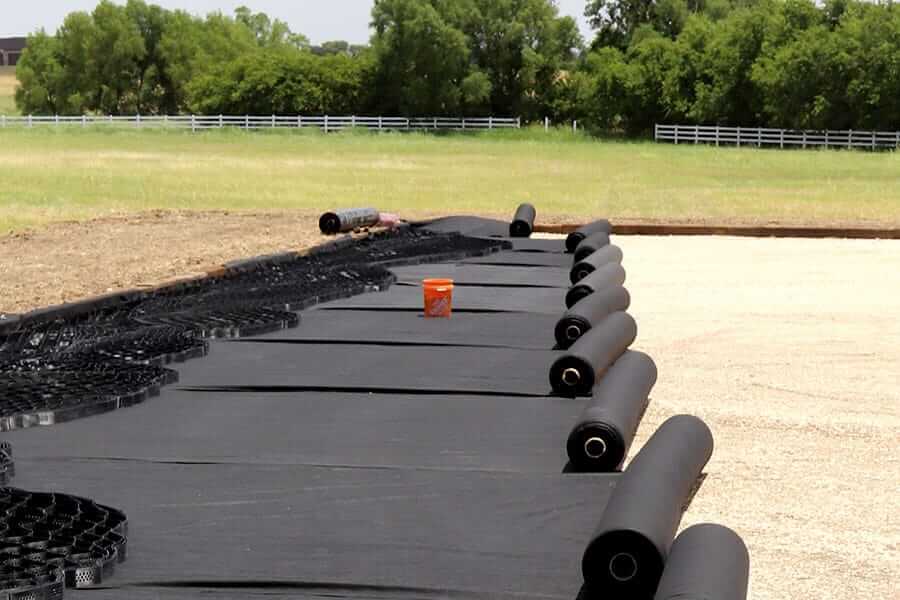
Geotextiles: Due to their high strength, good filtration performance, and UV resistance, they can be used for reinforcement in road construction, erosion control, and landscaping.
Insulation Materials: Commonly used in roofing materials and wall insulation due to their thermal insulation properties.
Automotive Industry:
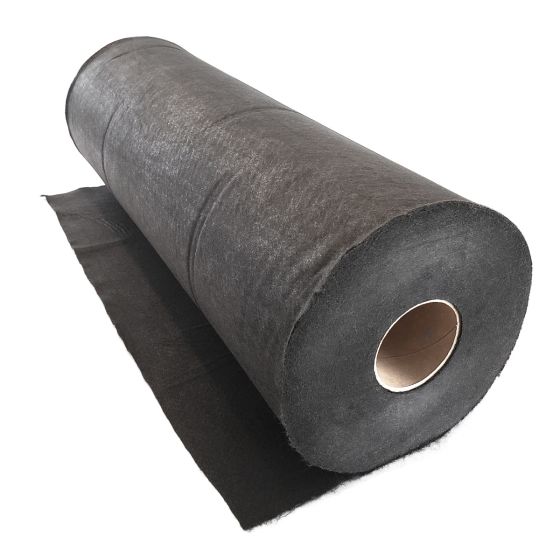
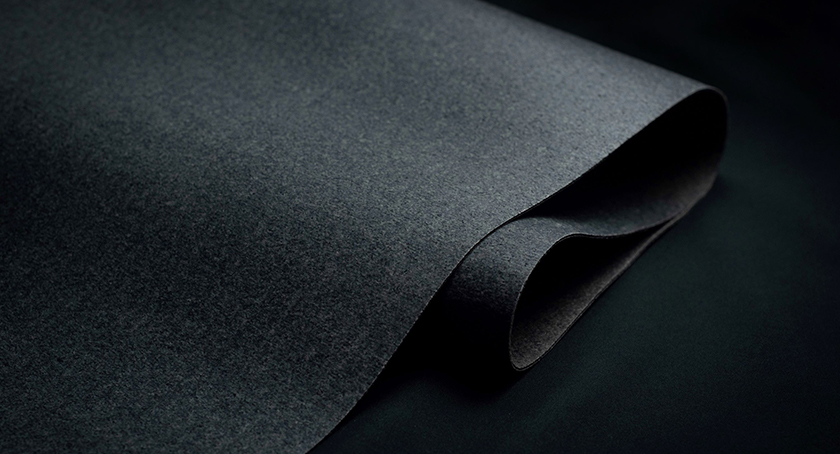
Interior Components: Used in door panels, trunk linings, and headliners due to their durability, sound insulation, and flexibility.
Furniture and Bedding:
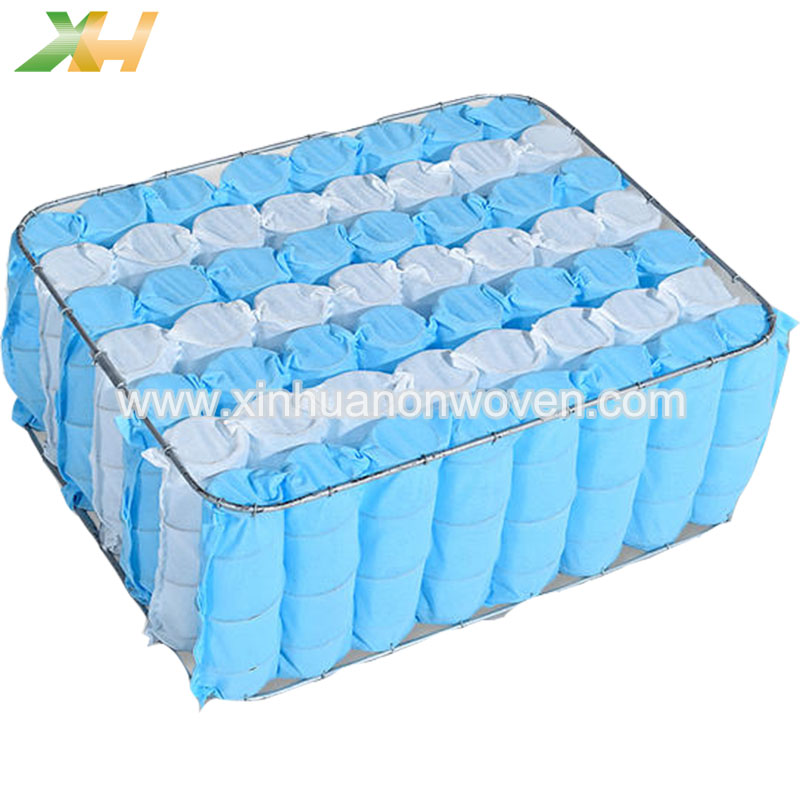
Mattresses and Furniture Upholstery Non Woven: PP spunbond nonwoven fabric is used as a barrier material, lining, and dust cover.
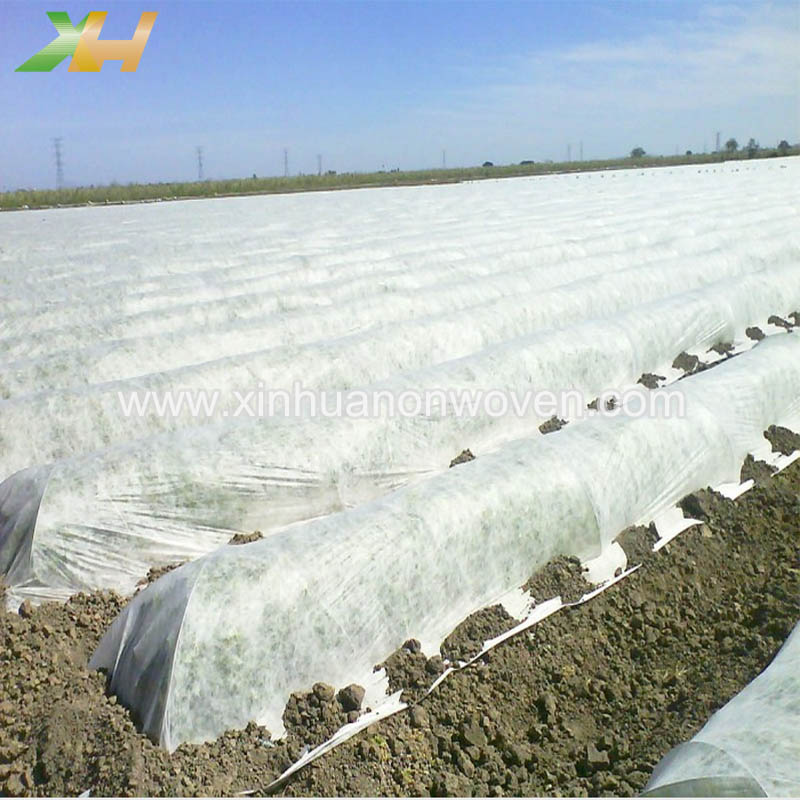
Crop Protection: Covers crops to protect against frost, insects, and UV radiation while allowing air and water penetration.
Summary:
Polypropylene (PP) nonwoven fabric is a versatile and essential material widely used in numerous industries. Its unique properties make it ideal for products that combine strength and flexibility. The production process of PP nonwoven fabric is relatively complex, but technological advancements are making its production more efficient and sustainable.
With the continued growth in global demand for polypropylene (PP) nonwoven fabrics, manufacturers are working to improve production processes and develop new technologies to enhance product quality and sustainability.
For companies looking to incorporate PP nonwoven fabrics into their products, understanding their properties, production processes, and market trends is crucial for making informed decisions. Whether in healthcare, agriculture, or packaging, PP nonwoven fabrics offer cost-effective and sustainable solutions to meet the needs of today's industries.
Please Read On, Stay Posted, Subscribe, And We Welcome You To Tell Us What You Think.
Copyright @ 2026 Xinhua Textile Co., Limited All Rights Reserved. Network Supported
Hi! Click one of our members below to chat on
 English
  Français
 Deutsch
 Русский
 Italiano
 Español
 Português
 عربي
عربي Indonesia
 עִברִית